

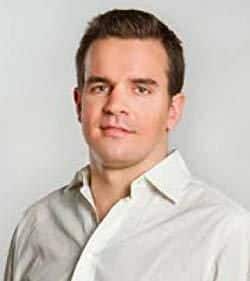
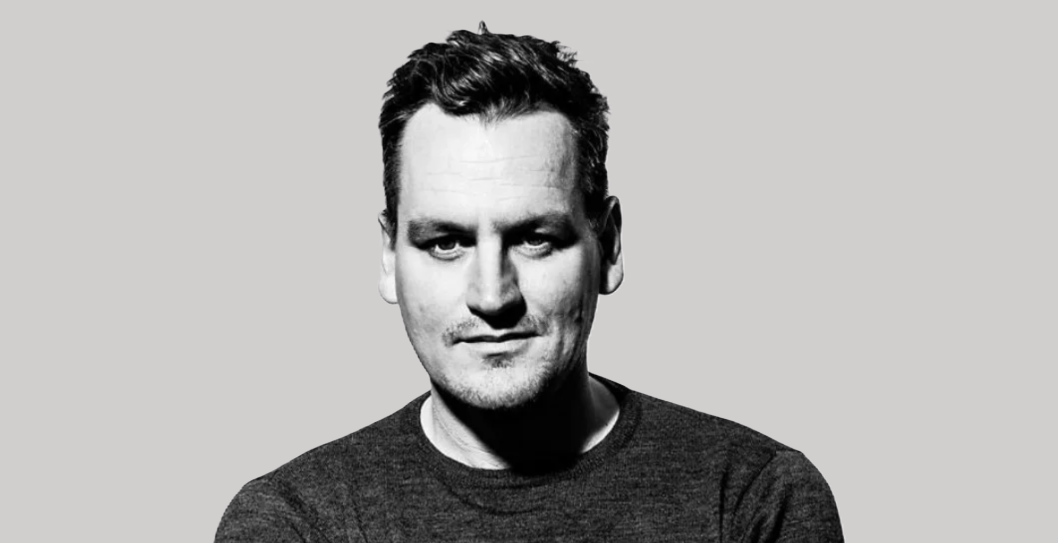
Most founders build companies from one world they know well. Thomas Tyler built his from two. On one side was music: a childhood steeped in instruments, performance, and songwriting, followed by a full-time career as a musician.
On the other hand was finance and then a role at the London Stock Exchange helping entrepreneurs prepare to raise capital before an IPO. Out of that unusual combination came Rezonate Music Rights. Rezonate has secured capital from top-tier investors like Bridgepoint.
In this episode, you will learn:
- Thomas Tyler built Rezonate by combining two worlds most founders keep separate: music and finance.
- His biggest advantage came from treating creativity like a business and finance like a form of storytelling.
- Rezonate found an opportunity where others missed it by focusing on overlooked royalty holders behind major artists.
- Raising a $150M facility through private credit forced the company to operate at an institutional level from day one.
- In a fragmented and opaque market, proprietary data infrastructure became a strategic edge rather than a support function.
- The company’s model works because it creates value for both sides: liquidity for creatives and returns for investors.
- Thomas’s story shows that unusual careers can become a founder’s greatest asset when all the pieces finally come together.
SUBSCRIBE ON:
 iTunes
 Google Play
 Stitcher
 TuneIn
 RSS
RSS SoundCloud
 Spotify
Keep in mind that storytelling is everything in fundraising. In this regard, for a winning pitch deck to help you, take a look at the template created by Peter Thiel, the Silicon Valley legend (see it here), which I recently covered. Thiel was the first angel investor in Facebook with a $500K check that turned into more than $1 billion in cash.
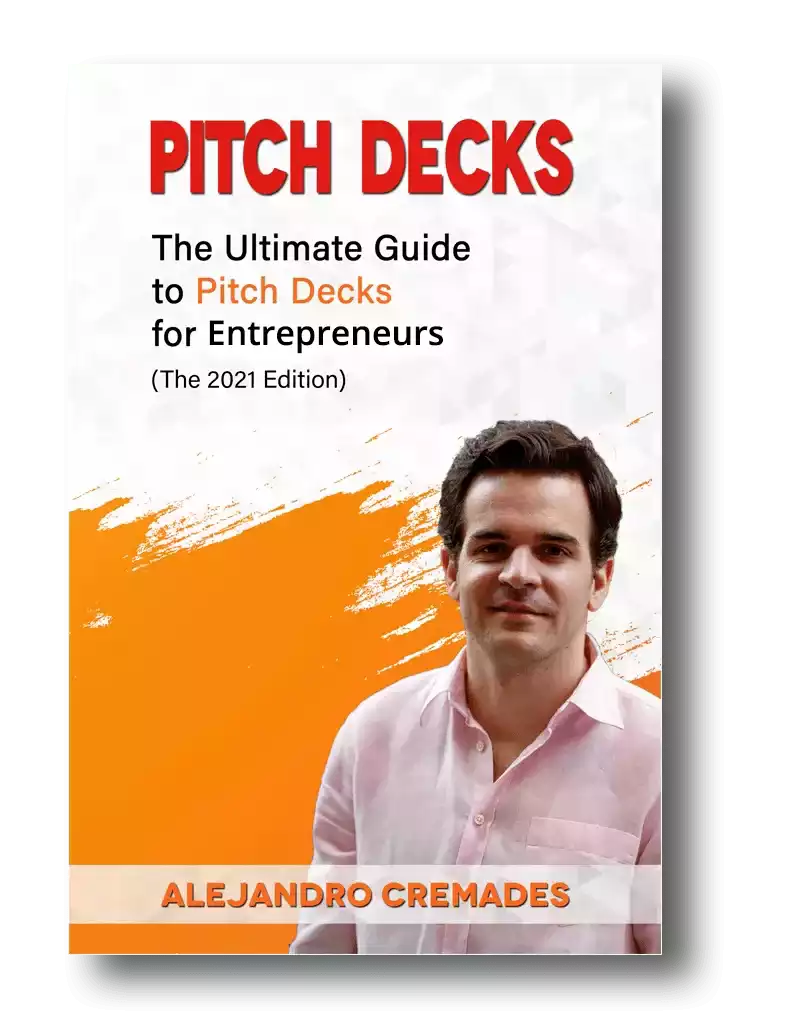
*FREE DOWNLOAD*
The Ultimate Guide To Pitch Decks
Remember to unlock for free the pitch deck template that founders worldwide are using to raise millions below.
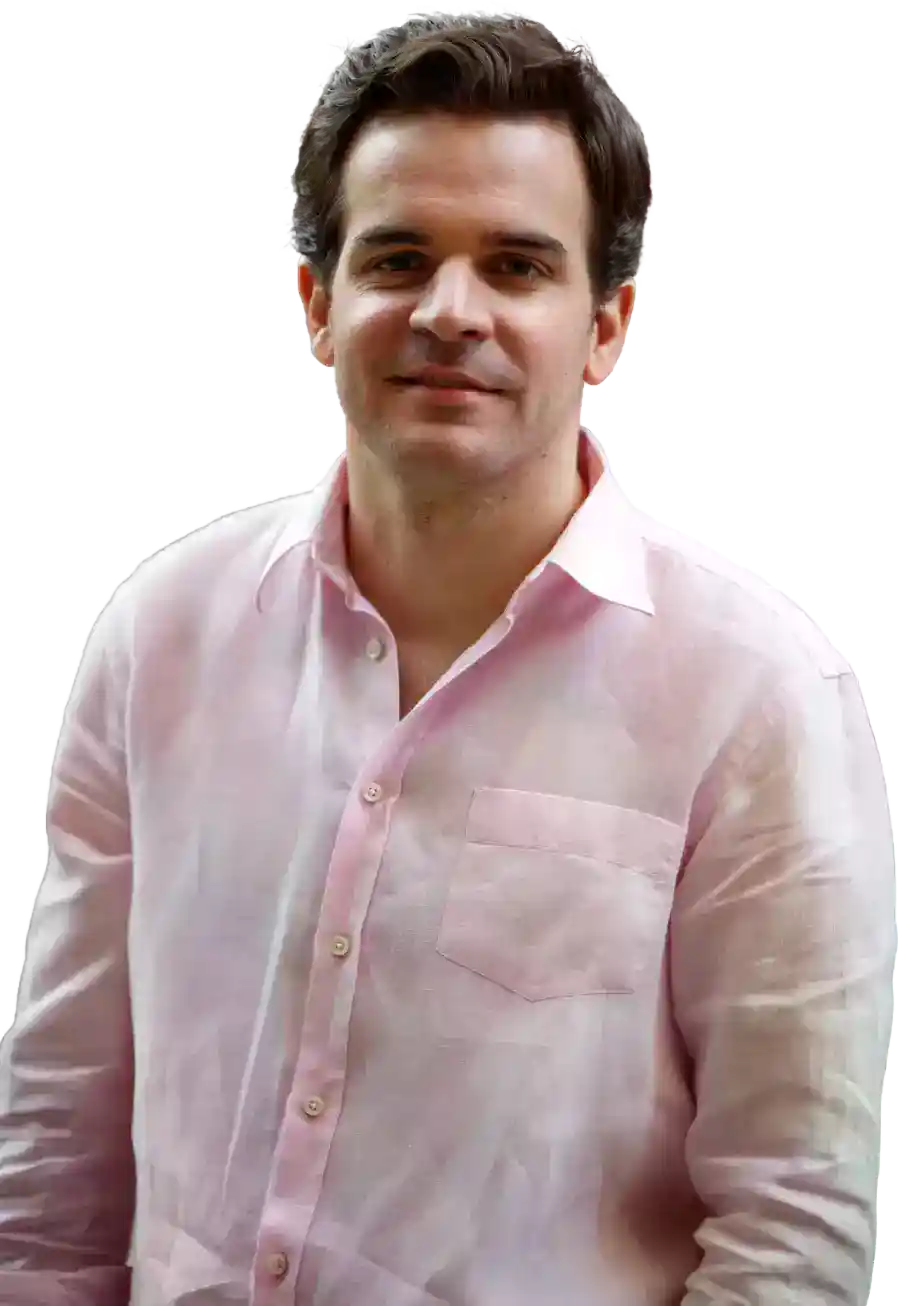
About Thomas Tyler:
Thomas Tyler is the CEO and co-founder of Rezonate Music Rights, where he is actively redefining the music rights landscape. Previously, he held significant roles including Head of Americas for Private Markets at LSEG and Vice President of Institutional Equity Sales at Commerzbank AG.
With a robust background in business development and equity sales, Thomas has also contributed as an advisor for multiple firms, while building a notable career that began with an internship at The World Bank. He continues to serve as a Non-Executive Director for Think Shape and Dyrectli Capital.
Raise Capital Smarter, Not Harder
- AI Investor Matching: Get instantly connected with the right investors
- Pitch & Financial Model Tools: Sharpen your story with battle-tested frameworks
- Proven Results: Founders are closing 3× faster using StartupFundraising.com
Connect with Thomas Tyler:
Read the Full Transcription of the Interview:
Alejandro Cremades: All righty. Hello, everyone, and welcome to the Dealmaker Show. So today we have quite the creative, a creative entrepreneur who has both a creative and a finance background.
Alejandro Cremades: So a really good mix, especially for what they’re looking at doing, which also has quite the M&A slash private equity approach. I mean, it’s quite unique. So we’re going to be learning about the process of raising money, which is brutal.
Alejandro Cremades: Also building the team, and the way that they’re going out on the M&A side, and why they thought about doing that. Quite the inspiring conversation in front of us. So without further ado, let’s welcome our guest today. Thomas Tyler, welcome to the show.
Thomas Tyler: Hey Alejandro, great to be here, and thank you so much for having me. Very excited to have a chat with you today about what we’ve built here at Resonate.
Alejandro Cremades: So, originally born and raised in Birmingham. Give us a walk through memory lane. Tom, how was life growing up for you?
Thomas Tyler: Life was great growing up in Birmingham. I’m a lifelong Aston Villa fan, and we’re third in the league at the moment, so all things are good. I had a great childhood there, played a lot of music as a kid, went to a traditional school and also a performing arts academy. That was where my love of music really started, and it’s carried on for the rest of my career as well.
Alejandro Cremades: And then you actually went to university in Edinburgh. You also went to California. I mean, you shifted quite a bit around, and then you landed in the city.
Thomas Tyler: Yeah, that’s right. I went to university in Edinburgh, studied history and politics, but also spent a year at university in California. I also did a stint at the World Bank in Washington, DC during that time as well.
Thomas Tyler: I got around a little bit, but after all that traveling, I eventually graduated and forgot all about my creative and musical background. I decided to get a job in investment banking at HSBC and sat myself down on a trading floor for a decade in equity capital markets. That was my first real career—trading equities in London.
Alejandro Cremades: And even before that, rewinding a little bit, where do you think that love for music came from? How did you develop that?
Thomas Tyler: It was really given to me and my brothers and sisters by my parents. Some of my earliest memories are of playing music. I would have a violin in my hand at the age of three. We would go to the City of Birmingham Symphony Orchestra, which is a very famous orchestra.
Thomas Tyler: We went to see them quite a lot. I had two brothers as well, and we had a band together. Music was just always in our house and around our house. It was the lifeblood of everything we did. It was second nature to me to be playing music all the time. I still have it here. It’s an incredibly important part of my life, and it always has been.
Alejandro Cremades: That’s incredible. Now, going to HSBC and being there in the city for 10 years—how was that for you? Because there you were more focused on capital markets. Quite the shift here.
Thomas Tyler: Yeah, it is. Although I think equity markets, at their heart, are about telling stories. There is creativity to that. If you’re a good equity broker, you’re able to create and tell a story about the equity value of the business you’re selling to clients.
Thomas Tyler: Obviously, there’s an empirical part to it. There’s a trading element to it. That was fun. It’s an incredibly vibrant and exciting environment to be in when you’re young. When I was doing that, it was still very noisy. Apparently, trading floors are pretty quiet these days—everyone’s typing messages—but we were shouting across the trading floor to each other. So it was good. I didn’t sing to anybody there, but maybe I should have. I might have made more money out of my clients.
Alejandro Cremades: Well, you always wanted to be a musician. So eventually that bug came back to you.
Thomas Tyler: Correct.
Alejandro Cremades: So make us insiders there. What happened that made you think, “That’s not for me anymore?”
Thomas Tyler: After a decade in that environment, I really felt like I had to lean back into the creative side of my life. I left the city and decided to write an album. I took that time out, wrote an album, and absolutely loved it.
Thomas Tyler: I became a full-time musician for two or three years. That’s actually where I met my now co-founder, Cam Blackwood, who is a very successful UK music producer. He produced my album, and that’s where we first met. We became great friends during that process.
Thomas Tyler: I released my album and did TV, radio, touring, and all of that. I had that whole experience.
Thomas Tyler: I approached it in quite an empirical, business-like manner. My first manager said I was the only artist who had ever turned up to a meeting with a SWOT analysis on himself.
Thomas Tyler: Which I did—and I thought it was completely logical—but apparently that’s not how artists typically approach meetings with managers and record labels.
Alejandro Cremades: What’s your thing—more vocals, instruments? What is your focus as a musician?
Thomas Tyler: At the time, I was doing a SWOT analysis and a market analysis against other male singer-songwriters, giving myself a heuristic value. I pitched myself and said, “This is where I think I land in this scope, and this is what I think the market looks like.”
Thomas Tyler: I was literally taking the way investment banking teaches you to think about market positioning and opportunity, applying that analysis to myself, and presenting it to my manager and label executives. They were pretty bewildered because they had never had anyone do that before.
Alejandro Cremades: So singer-songwriter—that’s your thing?
Thomas Tyler: Yes, singer-songwriter. I put myself in the John Mayer kind of camp, if you will. Obviously not as good, not as talented.
Alejandro Cremades: Well, Tom, honestly, we’ve done over 1,200 episodes, and we’ve never had someone with a background like yours.
Alejandro Cremades: I know this is crazy, but could you serenade us for 15 seconds so we can get a glimpse?
Thomas Tyler: What would I say?
Thomas Tyler: My biggest hit was a song called Shooting Stars. The chorus goes, “I could be a shooting star.” There you go.
Alejandro Cremades: I love it. Thank you so much, Tom. That’s amazing.
Alejandro Cremades: So you do that for some time, then you go back to corporate and work at the London Stock Exchange. I mean, a founder is always a founder, and a creative is always creative. That must have been a bit of a tragedy going back to the suit and tie.
Thomas Tyler: That’s right.
Thomas Tyler: My soul died a little bit that day. But the life of a creative is incredibly difficult. It requires time, effort, and luck. I decided it wasn’t going to be sustainable for me at that point.
Thomas Tyler: I was lucky to have other opportunities. Not all artists have that. At the London Stock Exchange, I worked with entrepreneurs, running a pre-IPO platform and helping them understand how to raise capital.
Thomas Tyler: There was still creativity in that. I was engaging with entrepreneurs and flexing that muscle. It became very useful when building our business later.
Thomas Tyler: I became an intrapreneur. I took a program and expanded it into North America, South America, and North Africa. I had a great time there. It was a great experience, and I still did some singing on the side.
Alejandro Cremades: That’s fantastic. Now tell us what happened next, because eventually you get to a point where you think there’s something more, and the creative side activates again.
Alejandro Cremades: Walk us through how you took the leap and blended music and finance together.
Thomas Tyler: When I left the London Stock Exchange, Cam and I had been talking for years about what became Resonate. For me, it was the opportunity to join my two worlds—music and finance.
Thomas Tyler: The genesis of Resonate came from that friendship. Cam had become a very successful producer, but the evolution of music rights acquisition was focused on headline artists, not people like him.
Thomas Tyler: These rights holders had valuable portfolios, but they were fragmented and undervalued. We saw an opportunity to create better solutions for that segment.
Thomas Tyler: That became Resonate. We started working with producers, helping them understand the value of their rights, and acquiring those rights to provide liquidity.
Thomas Tyler: For me, it all came full circle. I’m deeply passionate about what we do. At the core, it’s about supporting creatives while delivering strong returns for investors.
Alejandro Cremades: So what are you guys ultimately doing? What’s the business model?
Thomas Tyler: The business is focused on acquiring music royalties. Music rights have become an institutional asset class over the past seven or eight years.
Thomas Tyler: We focus on a specific part of the rights market. We engage with royalty owners, partner with them, and acquire their royalties.
Thomas Tyler: We provide them with the opportunity to liquidate and realize value from their portfolios.
Thomas Tyler: Many of the people we work with are not household names, but they own rights tied to major artists like Taylor Swift, U2, Snow Patrol, Lewis Capaldi, and Dua Lipa.
Thomas Tyler: It’s a very diverse pool of rights, which makes it attractive from an investment perspective as well.
Alejandro Cremades: So then, walk us through how you guys thought about building the team here, and also some of the early days when you started to see some kind of momentum and signaling.
Thomas Tyler: Yeah. So, obviously, going through the process chronologically, and thinking about how we were going to source the capital for this process, a lot of the money in this space really sits in the private credit market because the asset class is quite real estate-like. It’s a yielding asset, with arguably a bit of equity on top if you could improve the returns.
Thomas Tyler: So we went through a very long process, as is often the case, with a lot of due diligence through the investors that we spoke with. Eventually, as often happens with these processes, it was like buses—there was nothing, and then suddenly four or five different institutions were courting us and asking us to partner with them. Mostly in the US, actually, because a lot of the investors for this kind of asset do sit in the United States.
Thomas Tyler: But eventually we partnered with Bridgepoint, which is a UK-based private equity fund, partnering with their private credit business. They’re based in London, a fantastic team there, and we’ve got a great relationship with them. We’ve secured a $150 million facility with the guys at Bridgepoint. So that was the line in the sand. Now we’ve got what we need, and we can start deploying the capital and engaging with the owners of the rights. So obviously then you’re asking about building the team.
Thomas Tyler: With 10 people now, it’s been an incremental process. Initially, we have a third sort of co-founder as well, who is Nick, who runs our valuation and underwriting as our CIO. That’s a critical part of what we do. And we’re very lucky to have Nick. He has 30 years of experience on the buy side, I should say, in equity capital markets.
Thomas Tyler: But also, he has spent nearly a decade looking at and valuing music royalties as well. So a deep and vast knowledge of valuation and underwriting, and that’s incredibly helpful and necessary when you’re looking at what are quite fragmented income streams and trying to understand exactly where the value lies within that.
Thomas Tyler: And then we’ve just built out each pillar of the business, and we’ve got fantastic data architecture, which we’ve invested in from day one. This is a business, the music royalty space, which is plagued by opaque information and fragmented data. So from day one, we decided to invest in the data architecture of our business.
Thomas Tyler: Luke, who’s our head of data, has built a fantastic system, which is proprietary to us. We looked on the market to see if there was something that could do the job. We didn’t feel there was, so we felt like we needed to build it internally.
Thomas Tyler: And so that really was the cornerstone of the business, in conjunction with Cam, obviously, who has phenomenal access to the market. So we have the ability to access the market and the sellers, and also the ability, therefore, to ingest and value at scale, which was always going to be a critical part of our methodology.
Thomas Tyler: So yeah, look, it’s been a great journey. And to be honest with you, one of the things I’m probably most proud of is the team that we’ve put together now at Resonate. They’re just a fantastic, fantastic group of people. They’re incredibly committed to the business.
Thomas Tyler: And I think, as an entrepreneur, you kind of have to wake up every day and be grateful for those people that are committing their time to you and to your story and to your vision. They’re buying into that. And it kind of blows me away every day that we have that, and we have such a great team.
Thomas Tyler: And long may that continue. I’m not quite sure how we’ve done it, but we must have said something right somewhere along the way because they’re all very committed to the business. And it’s a fantastic journey.
Alejandro Cremades: And part of the, one thing that I wanted to ask you is the $150 million that you guys have raised. I mean, that’s quite a creative way of going about doing things as a new business.
Alejandro Cremades: What was that journey like, and how perhaps was it different from the typical seed or Series A, or some of those hyper-growth rounds that a startup would raise?
Thomas Tyler: Yeah, I think it’s a really good question. I think the key differentiation, obviously, is that you’re going from zero to a hundred miles an hour very quickly. If you’re in a seed raise, you’re doing several hundred thousand dollars or pounds, and then you’re engaging in friends and family, etc., and those kinds of rounds.
Thomas Tyler: I mean, when you immediately partner with a very large institution such as Bridgepoint, you’ve got to be ready to meet them there and understand what that reporting looks like, what their process looks like, what our process looks like. And so that’s definitely something that I think is different in this space than perhaps it would be if you were raising and going through the typical Series A, B, C, D sort of phases.
Thomas Tyler: But again, that’s where the partnership is really fantastic, because there’s a lot of mutual respect. And also, we’ve learned a lot in the last year, and we’ve evolved and developed as a business, and we’re materially evolving all the time. And that you must do as you sit in this seat.
Thomas Tyler: No one’s a complete picture. There’s no perfect song, as I often say. So you’ve got to keep learning, and we are continuously open to that. It’s just that at the start of this, you’re starting at a more institutional level than you would be potentially if you were sitting in a more traditional venture-backed, or even Series A or seed financing situation. It’s a slightly different dynamic.
Alejandro Cremades: So, quick thing here to ask you. When it comes to the deployment of the capital itself, what does that look like? Walk us through how you guys are thinking now.
Alejandro Cremades: I mean, you’ve raised this money, so what is the strategy of deploying it? What does that look like?
Thomas Tyler: So we have an investment thesis, which is that we are looking to acquire, as I mentioned earlier, predominantly producer royalties. Producer royalties are really a catch-all for pretty much non-frontline artist royalties, which means that typically we wouldn’t be buying Taylor Swift’s rights, but we’ll be buying people who have written songs with Taylor Swift or produced Taylor Swift, et cetera.
Thomas Tyler: And so that’s the delineation. The process is interesting. We have access to the sellers. It’s a very fragmented kind of market, if you will.
Thomas Tyler: There’s not one pool of people you can go to, as you would imagine. If I mentioned some of the names of people that we acquire rights from, they’re not household names, but these people are important within the music industry. They’re in fragmented locations and in different parts of the world.
Thomas Tyler: So we engage with them. We have to organize and ingest all of the data that they provide us, and that’s a critical part of the process. Then obviously we come up with what we believe to be fair value for those rights. And then that’s the point where we start making the assessment about whether this is or is not a good deal.
Thomas Tyler: Look, these are predominantly illiquid assets. And therefore, there’s no liquid market you can go to and say, well, X or Y is traded at this number.
Thomas Tyler: You may be aware that there were two companies listed on the London Stock Exchange, which was Hypnosis and Roundhill Music. Obviously, when they were listed and they would do deals, by virtue of the fact that they were listed, they’d have to tell people and tell the market what they paid for certain deals. So at that point there was publicly more information available.
Thomas Tyler: As it is today, there isn’t as much information available because pretty much everything is private. Therefore, one of the most important things we can do is be close to the market to understand where price is and where price expectation is.
Thomas Tyler: Sometimes we have bilateral deals, but that’s not always the case. So you’ve got to be able to balance the expectation of what the sellers believe their assets are worth, and their catalog is worth, with what the reality of the financial return is.
Thomas Tyler: And I think in a way that’s where Cam and my secret sauce is, in the sense that he is a true creative, and obviously I’ve got that as well, but also the finance side. We have this crossover, and it’s our job to constantly bridge that gap between the creative side of catalogue ownership and rights ownership and music, and where we meet with the world of finance. It’s a delicate balance, but it’s something that we strive to do on a daily basis.
Alejandro Cremades: So imagine you go to sleep tonight, Tom, and you wake up in a world where the vision here is fully realized. What does that world look like?
Thomas Tyler: So we have a stated goal of deploying a billion dollars over the next five years. We think that’s very achievable. We’re incredibly lucky to be in the market that we’re in. There has been a real explosion, if you will, of realization that lots and lots of creators and artists are sitting on very valuable rights.
Thomas Tyler: And therefore, there are a lot of sellers to engage with. We think that’s not an unrealistic ambition for us to have. As well as that, we want to be able to, and are already looking to see how we can support and work with earlier-stage artists and earlier-stage creators as well. We believe in being a force for good within the music industry.
Thomas Tyler: I think there are some particular challenges within the music industry with the major labels at the moment. And I think that as we grow and expand our business, there are opportunities to probably go up the risk curve and think about how we start supporting those artists who are perhaps earlier in their career.
Thomas Tyler: So there’s a lot of ambition for what we want to achieve. Some of it is linked to size of deployment, and some of it is also linked to the impact that we think we can have on the music industry.
Thomas Tyler: Okay, so we have a stated goal of deploying a billion dollars over the next five years into music rights more generally. We think that’s a very, very achievable target.
Thomas Tyler: We believe that we are building a unique business within the music industry that not only is particularly good at valuing the rights, but also understanding how to enhance the value of those rights as well. And so we have an ambition to be a big player within the music industry more generally and be a force for good.
Thomas Tyler: How can we support earlier-stage artists? How can we help them understand what the value of their rights are at an earlier stage of their career? We think there’s a really amazing opportunity there as well.
Thomas Tyler: And yeah, look, we have very large ambitions, but that’s what you do when you’re an entrepreneur, right? You don’t stop at the first hurdle, you keep on going. And as you said, that’s the world that we see ourselves in. Resonate is going to be a major player in the music industry.
Alejandro Cremades: So let’s say I bring you back in time to the moment that you were thinking about giving your notice there at the London Stock Exchange, and you’re able to give that younger Tom one piece of advice before launching the business. If you had your younger self in front of you, what do you tell that younger Tom?
Thomas Tyler: That is a great question. I think there are two things that you don’t know before you start this. And one of them is that it’s relentless.
Thomas Tyler: It’s utterly relentless, and it never stops. And just to keep going—you’ve got to put one foot in front of the other every single day. If you’re doing something to move the whole thing forward every day, you look back in three months and you will have moved it.
Thomas Tyler: And it’s sometimes incredibly frustrating because it doesn’t feel like you’re making any progress at all. But that confidence, if you could give oneself that back then, I think that’s one of the key things. That’s probably the key thing I think anybody needs to hear who wants to do something like this: just keep going and believe in yourself.
Thomas Tyler: Really, nobody’s that clever. Nothing’s that difficult. Right? I mean, you’ve just got to believe in yourself and keep going. I know that sounds a little bit trite, but it’s actually true.
Alejandro Cremades: I love it. So Tom, for the people that are listening and would love to reach out and say hi, what is the best way for them to do so?
Thomas Tyler: Hey, we love to hear from people with all sorts of inquiries and ambitions and ideas and capital. So you can reach out to me. I’m Tom at res-music.com. We can maybe put that in the show notes.
Thomas Tyler: Our website is resonatemusicrights.com. So yeah, I would love to hear from people. I’m on LinkedIn as well, Tom Tyler, and you’ll find me there. Love to hear from people who are interested in engaging with us.
Alejandro Cremades: Amazing. Well, Tom, thank you so much for being on the Dealmaker Show today with us. It has been an absolute honor.
Thomas Tyler: Thanks, Alessandro.
*****
If you like the show, make sure that you hit that subscribe button. If you can leave a review as well, that would be fantastic. And if you got any value either from this episode or from the show itself, share it with a friend. Perhaps they will also appreciate it. Also, remember, if you need any help, whether it is with your fundraising efforts or with selling your business, you can reach me at al*******@**************rs.com
Podcast: Play in new window | Download
Subscribe: Apple Podcasts | Spotify | TuneIn | RSS | More
Facebook Comments