

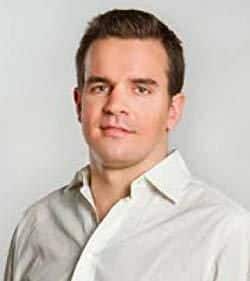

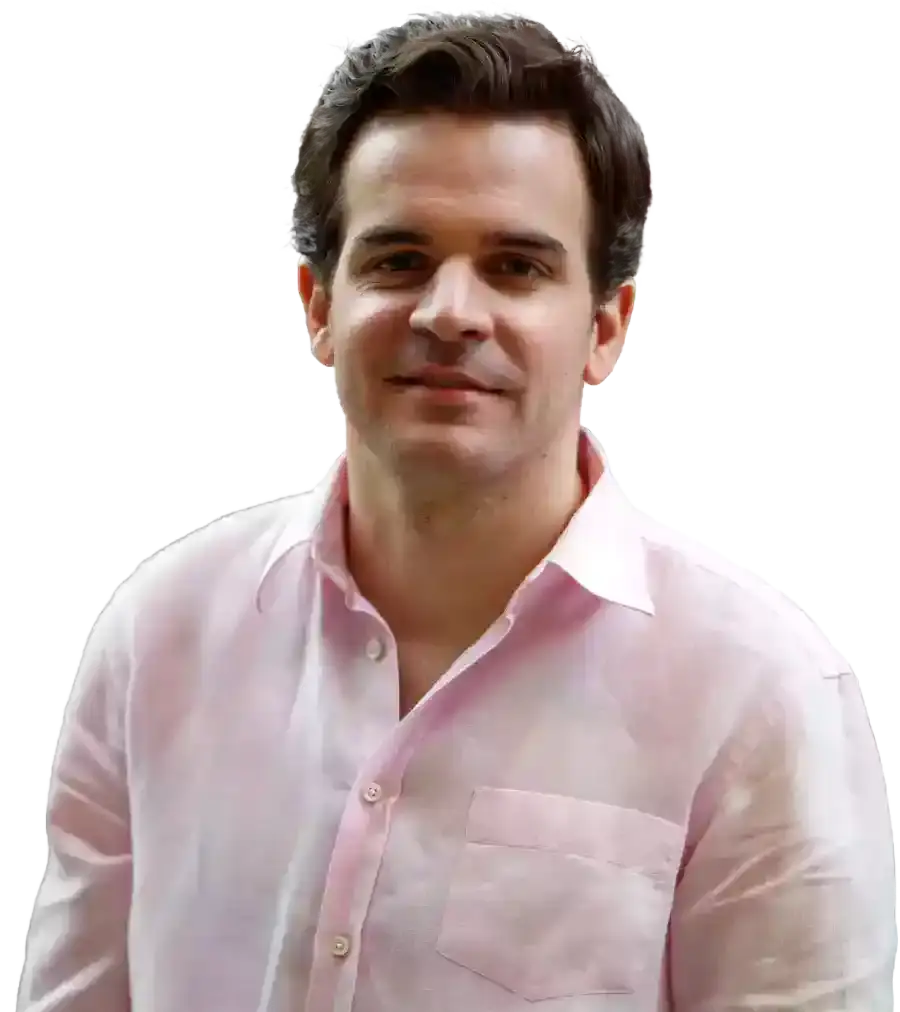
Entrepreneurship often begins with a moment of clarity—a realization that a massive problem exists and that someone needs to solve it. For Felipe Gómez Herrera, that realization came from a unique intersection of experiences.
Felipe grew up in Colombia, worked in consulting, studied at Harvard Business School, and witnessed firsthand the massive gap in healthcare access across Latin America. Today, he is building Welli, a fintech company that expands access to healthcare.
Welli is providing financial infrastructure for patients, doctors, and clinics. The company recently announced a Series A round alongside a significant debt facility, highlighting the complex financing structure required to build a fintech platform in emerging markets.
Felipe’s story illustrates how entrepreneurship can blend purpose, resilience, and financial innovation to tackle systemic challenges. In this riveting interview, he talks about his decision to transition from corporate to startups and the value of selecting your own investors.
Listen to the full podcast episode and review the transcript here.
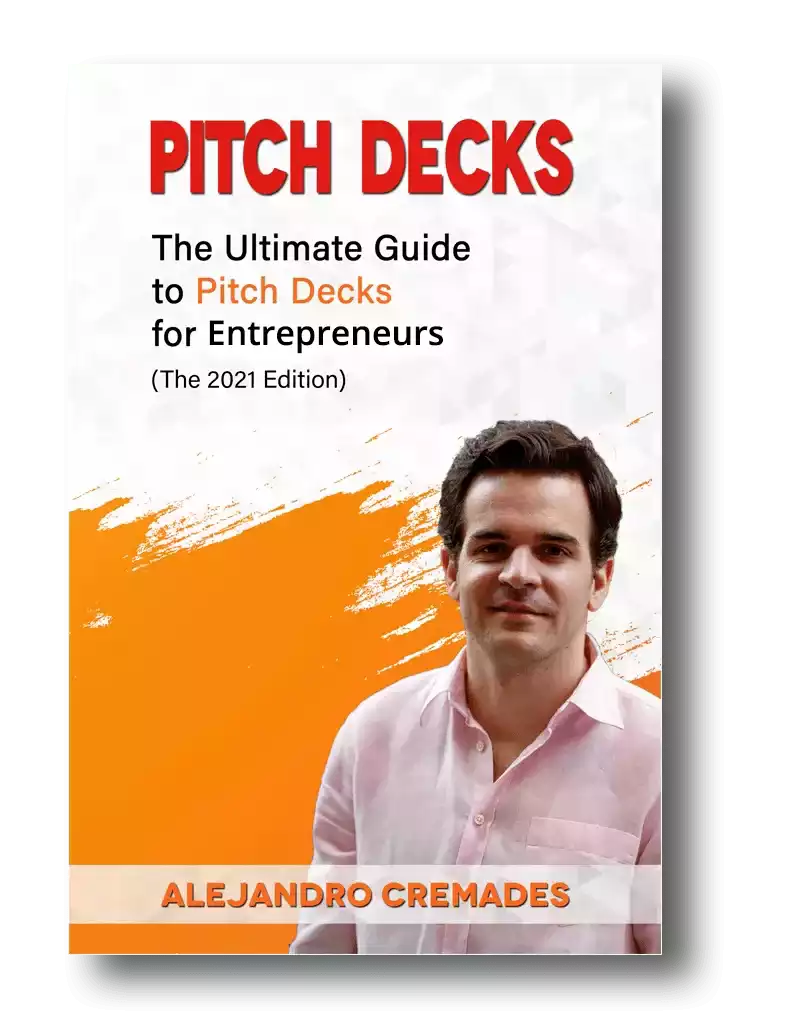
*FREE DOWNLOAD*
The Ultimate Guide To Pitch Decks
From Colombia to Global Ambitions
Felipe was born and raised in Colombia, though his upbringing included significant exposure to the US as well. He considers himself fortunate to have grown up with access to strong educational opportunities and an environment that encouraged intellectual curiosity.
Healthcare, however, was always close to home. Coming from a family of doctors, Felipe was deeply familiar with the challenges facing healthcare systems across Latin America. The region faces persistent issues around access, affordability, and infrastructure.
These problems would later shape the mission behind Welli. Despite the exposure, entrepreneurship was not initially part of Felipe’s plan. Instead, he pursued political science in the US, believing that public policy would be the best way to create meaningful societal change. But that path soon shifted.
The Disillusionment With Public Policy
Felipe originally envisioned a career in public policy and government, hoping to influence large-scale societal outcomes. However, his experience with the public sector left him disillusioned quickly.
While Felipe remained passionate about creating impact, he began to realize that the private sector might offer a faster and more scalable way to solve meaningful problems. That insight led him to transition from the public sector into business.
Felipe started to think about building a company that would have ah a dramatic impact on the livelihoods of Latin Americans. He joined McKinsey & Company, where the experience fundamentally reshaped his approach to problem-solving.
Learning to Think Like a Builder at McKinsey
Felipe often jokes that when he first joined McKinsey, he had never even opened an Excel spreadsheet. Coming from a public policy mindset, he was used to thinking about world affairs and political theory, and McKinsey was a steep learning curve.
At McKinsey, Felipe had to think about financial models or operational efficiency—basically how a business works—which made a huge difference to a young analyst like him. Consulting forced him to quickly adapt.
Felipe learned some of the most valuable skills that would later serve him as a founder—structured problem-solving. Consulting taught him how to break large problems into manageable pieces, analyze issues systematically, and apply the same analytical framework across industries and functions.
This discipline would later become essential when navigating the uncertainty of building a startup. But another pivotal chapter in his journey was still ahead.
Raise Capital Smarter, Not Harder
- AI Investor Matching: Get instantly connected with the right investors
- Pitch & Financial Model Tools: Sharpen your story with battle-tested frameworks
- Proven Results: Founders are closing 3× faster using StartupFundraising.com
Harvard Business School and the Entrepreneurial Awakening
Felipe’s acceptance into Harvard Business School (HBS) was the fulfillment of a lifelong dream. Yet the experience was initially intimidating. Like many students entering elite institutions, he experienced imposter syndrome.
Felipe was used to thinking about smaller problems coming from a smaller country. At HBS, he was surrounded by people thinking about building disruptive companies, launching startups, and transforming entire industries. In short, they focused on the next big thing.
Topics like venture capital, crypto, and financial infrastructure—previously unfamiliar to him—were now everyday discussions. For Felipe, the environment was transformative. Perhaps the most important thing he gained from business school wasn’t technical knowledge. It was confidence.
Being surrounded by ambitious, intelligent peers helped Felipe realize he could build something meaningful, too. His mindset shifted dramatically. Instead of imagining a long-term career in banking as a consulting partner, he began to think of more exciting and engaging pathways.
Felipe now had a new vision, “Maybe I can start something myself and make a real difference.”
The Unexpected Push Into Entrepreneurship
Felipe’s leap into entrepreneurship came through an unexpected event. At the time, he was working at Shopee, the large Singapore-based e-commerce company, helping launch operations in Colombia.
The team had grown quickly to more than 300 employees when the company made a sudden strategic decision: it would shut down operations in most markets outside Southeast Asia and Brazil.
For Felipe, this moment became an unexpected opportunity. He suddenly had six months of salary and no immediate obligations, which effectively removed the “golden handcuffs” of corporate employment.
Together with Felipe Jaramillo López, a colleague he met at Shopee, Felipe Herrera made a bold decision. For the next three months, they would ignore job offers, go to the office daily, and spend their time exploring startup ideas.
Their goal was simple: build something meaningful rather than return to corporate life.
Discovering the Healthcare Financing Gap
Felipe and his co-founder quickly gravitated toward healthcare. The reason was both personal and structural. Coming from a medical family, Felipe already understood how healthcare systems worked in Latin America. At the same time, they began to notice a clear structural problem.
Millions of patients simply could not afford medical procedures upfront. In the US, companies like CareCredit allow patients to finance healthcare procedures through structured lending products. In Latin America, however, similar solutions were largely absent.
That insight became the foundation for Welli. Felipe and his cofounder wanted Welli to become the financial partner for clinics, doctors, and patients by creating a comprehensive ecosystem of financial products for the healthcare sector. Doctors and clinics would act as the distribution channels.
What Welli Does
Welli is designed to become the financial infrastructure platform for healthcare in Latin America.Felipe describes the company as aiming to become “the bank for healthcare.” The platform is structured in three major phases.
The first phase centered on patient financing, a product focused on patient credit. When a patient cannot afford a procedure, the clinic offers the Welli digital financing option. Approvals take about two minutes, and funds are disbursed directly to the doctor.
Interestingly, as Felipe explains, Welli’s customer acquisition cost is effectively zero because clinics pay to offer the financing solution.
The second stage of Welli’s roadmap involves financing doctors, clinics, and healthcare providers themselves. This includes financing for medical equipment, capital expenditures, and working capital needs.
As Felipe reveals, the final “horizon,” as he puts it, has a banking element to it. Welli plans to build a comprehensive financial ecosystem for healthcare providers, including non-credit solutions such as payment disbursement accounts, as well as additional offerings for doctors and clinics.
Early Signs of Product-Market Fit
One of the most fortunate aspects of Welli’s early journey was the immediate market demand. From the beginning, doctors were eager to adopt the solution because they were already losing patients who couldn’t afford treatments.
As Felipe recalls, almost every conversation they had with small clinics, dental practices, plastic surgeons, fertility practices, and many more ended up with a yes. Each provider they contacted emphasized their mission to provide greater access.
Within the first month, Welli saw roughly 1,000 credit applications, but only $25K available for lending. Demand far exceeded their ability to supply capital. This confirmed something critical: the problem was real, painful, and large.
Felipe quickly realized they needed a better product and more capital to meet the demand. Given the capital intensity of financing a business, they would need to raise funds from venture capitalists. Capital is a catalyst for impact and could help them build a great product that adds value.
Raising Capital in Latin America
As Felipe points out, fundraising in Latin America presents unique challenges. Compared to Silicon Valley, the ecosystem is younger, less liquid, and more volatile. Felipe and his co-founder launched Welli in November 2022, during a difficult venture capital environment.
Initially, the cofounders relied on bootstrapping and funding from friends and family. Later, they raised venture capital and eventually secured $15M in equity financing. But for a lending business, equity alone isn’t enough.
Unlike massive or well-connected companies in Silicon Valley, Felipe couldn’t be picky about his investors. Though he was particularly looking for three core aspects—alignment in purpose, greater aggregate value than just capital, and a personal connection.
However, most venture capitalists are not really aligned with healthcare as a purpose, nor can they provide additional value that Felipe needed. Most importantly, he was looking for people who would stand beside his company through ups and downs, which is not always the case.
Storytelling is everything that Felipe was able to master. The key is capturing the essence of what you are doing in 15 to 20 slides. For a winning deck, take a look at the pitch deck template created by Peter Thiel, Silicon Valley legend (see it here), where the most critical slides are highlighted.
Remember to unlock the pitch deck template that founders worldwide are using to raise millions below.
The Equity vs Debt Challenge
As Felipe reveals, Welli has raised equity capital worth $15M and around $100M in debt financing. Its model requires significant lending capital, which introduced a unique financing challenge.
As Felipe points out, equity investors generally prefer that their capital be used for product development, hiring engineers, and building technology. They do not want their money used to fund loans.
Debt investors, on the other hand, have very different concerns and incentives. They care primarily about the downsides rather than the upsides and performance credits, such as longer-running cohorts.
This created a classic chicken-and-egg problem. Debt investors wanted to see traction before lending money, and equity investors wanted proof that debt capital would be available. Welli solved this by starting with funding from family and friends and smaller credit lines from local banks.
Felipe hoped to help Welli secure a large debt facility by demonstrating loan performance, which would then unlock equity. Though it wasn’t a straight path.
Navigating Fintech Regulation in Latin America
Operating a fintech company in Latin America comes with additional complexity. The region’s regulatory landscape is highly fragmented and frequently evolving. Not only is the fundraising environment highly volatile, but it also doesn’t have many success stories, large exits, and more.
For example, in Colombia, there are caps on the interest rates lenders can charge. Any changes in regulation can dramatically impact unit economics, and the markets are not large enough. In addition, currency volatility adds another layer of risk.
Because of these constraints, startups must build businesses with strong fundamentals from day one. Felipe believes that this environment ultimately creates stronger companies.
Scarcity forces founders to prioritize sustainable unit economics, plan for regulatory changes, and build operational resilience. At the same time, Felipe underscores the potential for oversized returns for equity investors willing to immerse themselves in this uncertain investment environment.
The Complexity of Expanding Across Latin America
Expansion across Latin America is far more complicated than scaling across US states. Each country has different regulatory systems, languages, jurisdictions, financial institutions, and legal frameworks.
Language differences matter—Brazil, for example, operates primarily in Portuguese. The business-building landscape stands in stark contrast to, say, a California company seeking to expand to Delaware or Idaho, where basic conditions are similar.
Welli recently expanded into Peru, where the company encountered an even larger healthcare access problem. The out-of-pocket healthcare spending in Peru is roughly 30%, compared to about 17% in Colombia. However, expansion still feels like launching an entirely new company.
The long-term roadmap may eventually include markets such as Mexico, but each country requires substantial groundwork.
The Vision for Welli
Felipe’s vision for Welli is ambitious. In its ideal future state, Welli becomes the financial infrastructure layer for healthcare across Latin America. He envisions a company that serves as the one-stop shop financial solution for doctors and clinics.
Doctors will be able to bill patients, offer financing, buy equipment, manage payments, and hold funds—all through a single platform. At the same time, millions of patients will gain access to healthcare services that would otherwise be financially out of reach.
Felipe also believes Latin American founders should think globally, not just regionally. Why stop at Colombia—or even Latin America? If the model works, there is no reason it couldn’t expand globally.
As Felipe points out, within the first three years of working in Colombia, Welli received around 300,000 applications—a lot, but far from what he envisions.
Advice Felipe Would Give His Younger Self
Reflecting on his journey, Felipe shares three pieces of advice for aspiring founders. Firstly, he says, “Go all in.” Entrepreneurship requires full commitment. Trying to build a company while keeping one foot in a corporate job rarely works.
Secondly, Felipe suggests finding a great partner. He credits much of Welli’s progress to his partnership with co-founder Felipe Jaramillo. Their complementary skills have made the journey far more manageable and created a world of difference.
Thirdly, Felipe underscores that many startups fail because they build solutions in search of problems. The best startups solve real, painful problems, and healthcare access in Latin America was exactly that.
Final Thoughts
Felipe Gómez Herrera’s journey highlights an important lesson about entrepreneurship. Great companies often emerge at the intersection of personal insight, structural problems, and timing.
Welli was born from a deep understanding of healthcare challenges in Latin America and a clear recognition that financial infrastructure could unlock access for millions of people.
By combining fintech innovation with a mission-driven approach, Felipe and his team are building more than just another startup. They are building a financial backbone for healthcare across an entire region. And if their vision succeeds, the impact could extend far beyond Latin America.
Listen to the full podcast episode to know more, including:
- Purpose scales faster when capital is treated as an enabler of impact rather than a vanity metric.
- Felipe’s edge came from combining local healthcare pain with structured problem-solving learned at McKinsey.
- HBS didn’t just add knowledge; it added the confidence to switch from “career path” to “builder mindset.”
- Welli found an immediate pull: doctors said yes quickly because financing prevents patient drop-off at the point of care.
- A “bank for healthcare” roadmap wins by sequencing horizons: patient credit → provider finance → payments + accounts.
- Credit startups live in the equity–debt chicken-and-egg, so proving loan performance unlocks larger facilities and future equity.
- Latin America forces founder-grade resilience: regulation, FX, and fragmented markets make unit economics and expansion discipline non-negotiable.
SUBSCRIBE ON:
 iTunes
 Google Play
 Stitcher
 TuneIn
 RSS
RSS SoundCloud
 Spotify
Keep in mind that storytelling is everything in fundraising. In this regard, for a winning pitch deck to help you, take a look at the template created by Peter Thiel, the Silicon Valley legend (see it here), which I recently covered. Thiel was the first angel investor in Facebook with a $500K check that turned into more than $1 billion in cash.
*FREE DOWNLOAD*
The Ultimate Guide To Pitch Decks
Remember to unlock for free the pitch deck template that founders worldwide are using to raise millions below.
Podcast: Play in new window | Download
Subscribe: Apple Podcasts | Spotify | TuneIn | RSS | More
Facebook Comments