

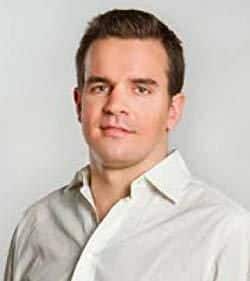
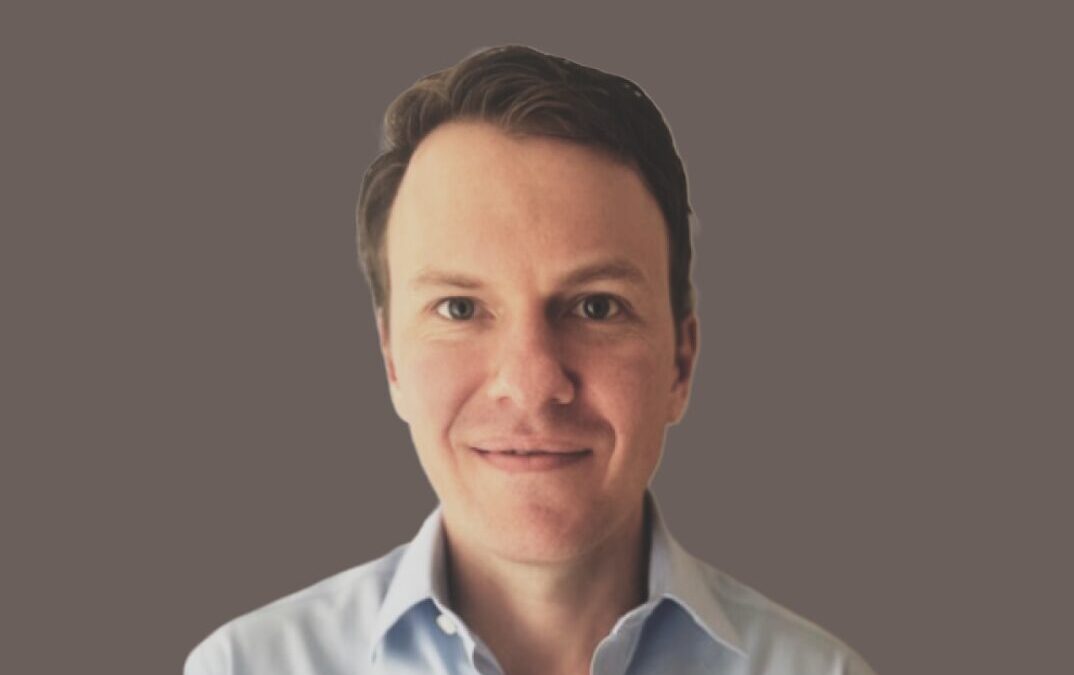
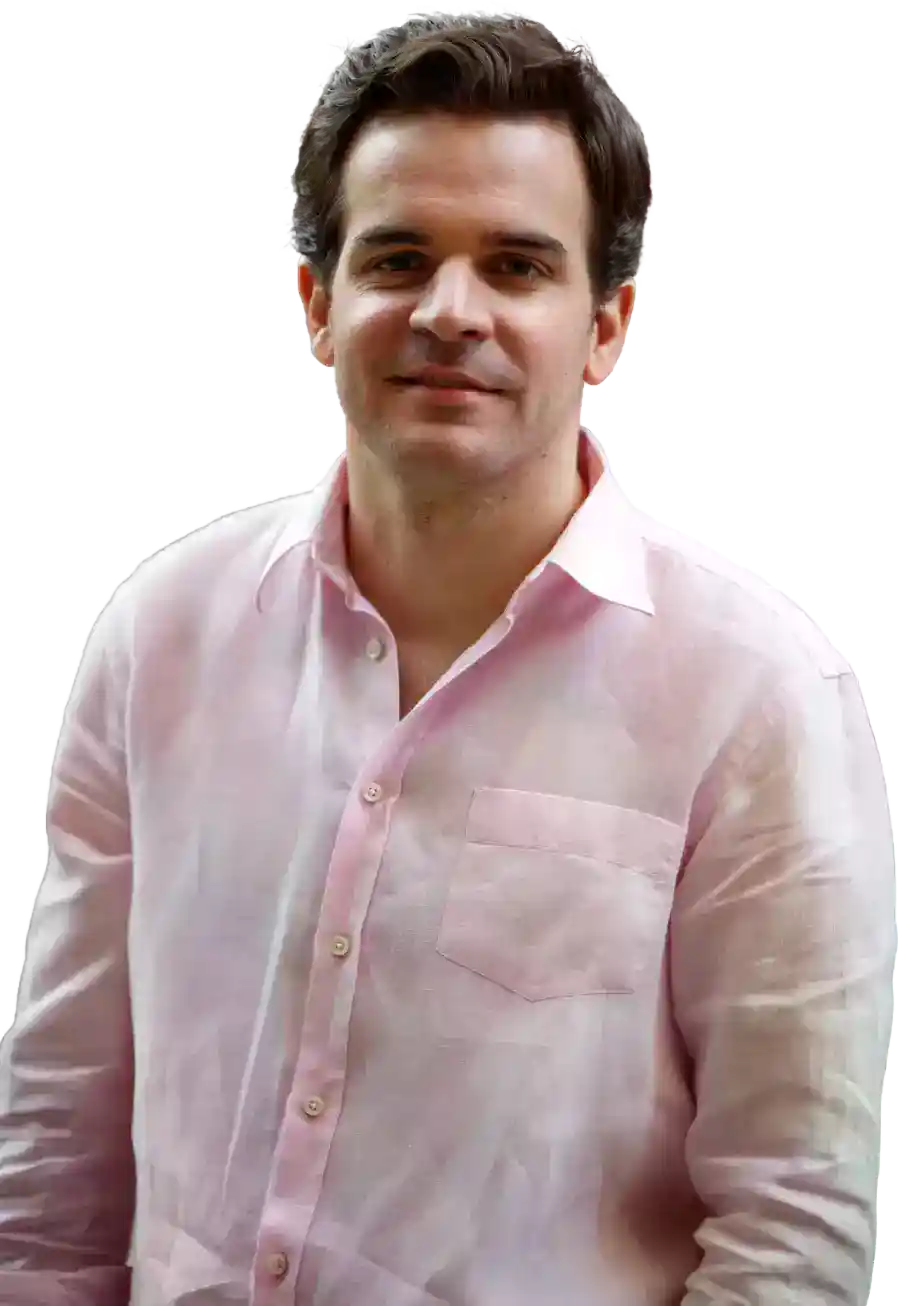
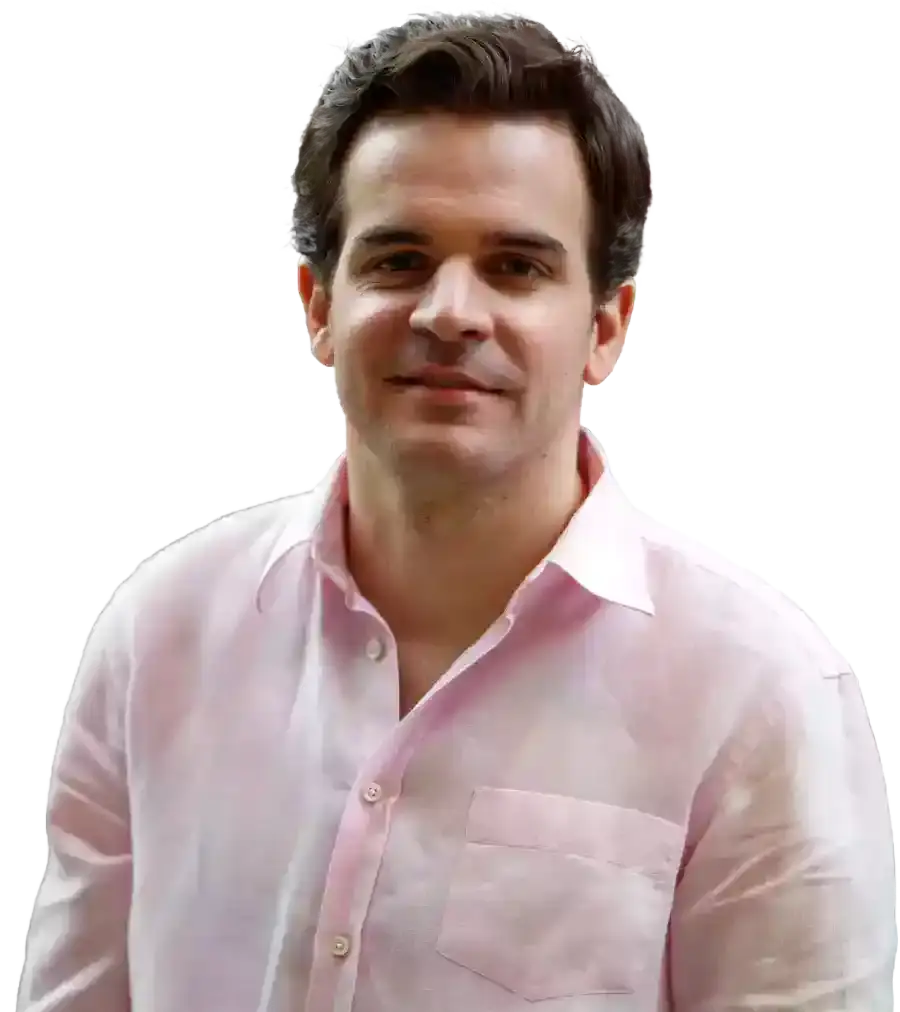
Felipe grew up in Colombia, worked in consulting, studied at Harvard Business School, and witnessed firsthand the massive gap in healthcare access across Latin America. Today, he is building Welli, a fintech company that expands access to healthcare.
Welli has secured funding from top-tier investors like Community Investment Management and New Ventures Capital.
In this episode, you will learn:
- Purpose scales faster when capital is treated as an enabler of impact rather than a vanity metric.
- Felipe’s edge came from combining local healthcare pain with structured problem-solving learned at McKinsey.
- HBS didn’t just add knowledge; it added the confidence to switch from “career path” to “builder mindset.”
- Welli found an immediate pull: doctors said yes quickly because financing prevents patient drop-off at the point of care.
- A “bank for healthcare” roadmap wins by sequencing horizons: patient credit → provider finance → payments + accounts.
- Credit startups live in the equity–debt chicken-and-egg, so proving loan performance unlocks larger facilities and future equity.
- Latin America forces founder-grade resilience: regulation, FX, and fragmented markets make unit economics and expansion discipline non-negotiable.
SUBSCRIBE ON:
 iTunes
 Google Play
 Stitcher
 TuneIn
 RSS
RSS SoundCloud
 Spotify
Keep in mind that storytelling is everything in fundraising. In this regard, for a winning pitch deck to help you, take a look at the template created by Peter Thiel, the Silicon Valley legend (see it here), which I recently covered. Thiel was the first angel investor in Facebook with a $500K check that turned into more than $1 billion in cash.
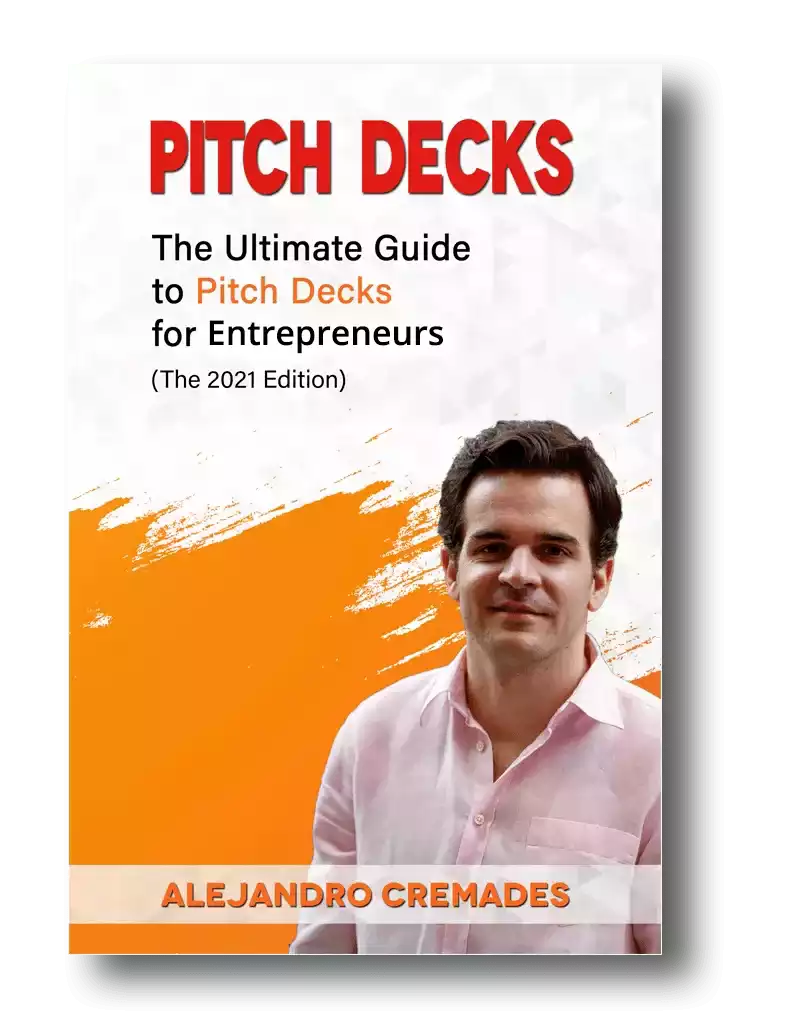
*FREE DOWNLOAD*
The Ultimate Guide To Pitch Decks
Remember to unlock for free the pitch deck template that founders worldwide are using to raise millions below.
About Felipe Gomez Herrera:
Felipe Gomez Herrera is building the premier medical financing company in Latam. He was previously the Business Development leader for Shopee in Colombia managing local seller performance.
At Shopee, Felipe was responsible for leading a team of 50+ people responsible for 80%+ of local revenue and focused on hunting, incubating and managing all of its short-tail sellers.
Felipe has served as the head of Afiniti’s operation in Colombia and Engagement Manager at McKinsey specializing on financial services and consumer goods.
Raise Capital Smarter, Not Harder
- AI Investor Matching: Get instantly connected with the right investors
- Pitch & Financial Model Tools: Sharpen your story with battle-tested frameworks
- Proven Results: Founders are closing 3× faster using StartupFundraising.com
Connect with Felipe Gomez Herrera:
Read the Full Transcription of the Interview:
Alejandro Cremades: All right, hello everyone and welcome to the DealMaker Show. Today we have a really great founder from Latin America. We’re going to be talking about all the good stuff around building, scaling, and financing. They recently announced a very exciting round of financing, as well as debt financing, so we’re going to be able to talk about both.
Alejandro Cremades: We’ll also cover the decision to transition from corporate to startups, raising money, and why and how you should think about picking your own investors, along with many other great topics. So brace yourself for a super inspiring conversation.
Alejandro Cremades: Without further ado, let’s welcome our guest today, Felipe Herrera.
Alejandro Cremades: Welcome to the show.
Felipe Gomez Herrera: Thank you, Alejandro. Thanks for having me. Very excited to be here.
Alejandro Cremades: So originally born and raised in Colombia, give us a walk through memory lane. How was life growing up for you, Felipe?
Felipe Gomez Herrera: Well, very much born and raised in Colombia. I spent most of my time there, although I also spent a fair amount of time in the U.S.
Felipe Gomez Herrera: I was very privileged in the sense that I had access to great education and a great environment. Much of that environment was connected to healthcare, which is where I eventually ended up.
Felipe Gomez Herrera: Being born and raised in Colombia and having unique knowledge about the healthcare issues that we face opened up what would become the rest of my career.
Alejandro Cremades: So then let’s talk about politics. How did you get into politics? I know that politics played quite a critical role, especially during the early days for you.
Felipe Gomez Herrera: Yeah, it was funny. I did not have what you would consider a typical background for someone who would end up in the startup world.
Felipe Gomez Herrera: I was a political science major in the U.S. What I wanted to do was public policy. That’s where I thought I could make the most difference.
Felipe Gomez Herrera: I was very quickly disillusioned by the public sector. That being said, that bug of service and broader impact stayed with me.
Felipe Gomez Herrera: So when I later decided to join the corporate world, and eventually founded my own startup, I knew that what I wanted to do was have that double impact. It not only needed to be a great business, but it also needed to be a business that would have a dramatic impact on the livelihoods of Latin Americans.
Alejandro Cremades: And we’ll talk about that with Welly in just a little bit. But first, I want to touch on your transition from the public sector to the private sector.
Alejandro Cremades: You worked at McKinsey and were part of the consulting world. How do you think that experience shaped the way you think about problem-solving?
Felipe Gomez Herrera: Dramatically.
Felipe Gomez Herrera: I often tell this story. When I joined McKinsey, I had pretty much never opened an Excel spreadsheet. I had to learn that from scratch. So it was quite a steep learning curve for me.
Felipe Gomez Herrera: I was used to thinking like a public policy thinker—thinking about world affairs and similar topics. Then suddenly I had to learn the basics of how a business actually works.
Felipe Gomez Herrera: That made a huge difference. But I also think the way a consulting firm like McKinsey teaches young analysts how to approach problems is extremely valuable.
Felipe Gomez Herrera: They teach you how to decompose a problem into manageable parts and how to tackle any problem—regardless of industry or function—in a structured way.
Felipe Gomez Herrera: That dramatically changed how I think. I used to be all over the place. Now I approach things in a much more systematic manner.
Felipe Gomez Herrera: So I’m always very thankful for my background and for the opportunity I had working in consulting, especially at McKinsey.
Alejandro Cremades: Then you went to Harvard Business School, which seemed to be quite a shift in gears because it brought you closer to making that transition from corporate to startup. Walk us through the sequence of events.
Felipe Gomez Herrera: Harvard was always a lifelong dream for me.
Felipe Gomez Herrera: Once you get there, though, the imposter syndrome quickly sets in. I was used to thinking about smaller problems, coming from a smaller country.
Felipe Gomez Herrera: At Harvard, I was suddenly surrounded by people thinking about startups, disruptive industries, and massive opportunities.
Felipe Gomez Herrera: I had never really been exposed to topics like crypto, financial infrastructure, or venture capital. Those things were completely foreign to me. Even though I had a business background through McKinsey, I had mostly worked in banking and related areas, which were not particularly exciting or disruptive.
Felipe Gomez Herrera: When I arrived at HBS, everyone was thinking about the next big thing. That environment made a huge difference for me.
Felipe Gomez Herrera: More importantly, I was exposed to incredibly interesting people who truly wanted to build things and change the world.
Alejandro Cremades: So then talk to us about that moment of thinking, “Hey, maybe I can change the world too.”
Felipe Gomez Herrera: That’s actually a really important point.
Felipe Gomez Herrera: Probably the most important skill I gained from business school was confidence.
Felipe Gomez Herrera: You’re surrounded by people who are incredibly bright, incredibly driven, and also very well-rounded.
Felipe Gomez Herrera: Before arriving, I assumed I would be surrounded by socially awkward people who were just extremely good bankers. But that really wasn’t the case.
Felipe Gomez Herrera: Some of my best friends today come from business school.
Felipe Gomez Herrera: When you’re in that environment, you start buying into the idea that you can also build something meaningful. My mindset shifted from thinking, “I’m going to become a consulting partner at McKinsey Colombia,” to thinking, “Maybe I can start my own company and really make a difference.”
Felipe Gomez Herrera: That felt far more exciting and meaningful.
Alejandro Cremades: So then talk to us about taking the plunge. What needed to happen? How did the idea for Welly come knocking? And how did you decide to take action?
Alejandro Cremades: Because it’s quite a jump.
Felipe Gomez Herrera: Yeah, it’s quite a jump.
Felipe Gomez Herrera: To be honest, I cannot take full credit for the decision. At the time I was working at Shopee, a very large e-commerce company from Singapore.
Felipe Gomez Herrera: Shopee decided to close operations in every market except Southeast Asia and Brazil.
Felipe Gomez Herrera: I was launching the company in Colombia, and we were doing quite well. We had around 300 employees.
Felipe Gomez Herrera: Then suddenly the company decided to shut down the operation.
Felipe Gomez Herrera: On the positive side, I received six months of salary, and I could do whatever I wanted during that time. That turned out to be a great way to get rid of the golden handcuffs.
Felipe Gomez Herrera: With my partner—whom I met at Shopee—we decided to take advantage of that moment. We made a pact that for the next three months we wouldn’t take any interviews or job offers.
Felipe Gomez Herrera: We would come to the office every day from eight to five and simply think about what we could build without returning to the corporate world.
Felipe Gomez Herrera: I come from a family of doctors, so we were familiar with the healthcare system. We knew there was a massive problem in Latin America when it came to access to medical procedures.
Felipe Gomez Herrera: We had seen models in the U.S., such as CareCredit and similar companies. We quickly realized that nobody was doing something like that in Latin America.
Felipe Gomez Herrera: That’s when everything clicked.
Felipe Gomez Herrera: So it was a combination of factors. But yes, it was tough, and I cannot take full credit.
Alejandro Cremades: For the people listening, what ended up being Welly? What is Welly?
Felipe Gomez Herrera: Welly, in a nutshell, aims to provide access to healthcare to millions of Latin Americans.
Felipe Gomez Herrera: The way we do this is by becoming the financial partner for clinics, doctors, and patients. We’re building a full ecosystem of financial products for the healthcare sector.
Felipe Gomez Herrera: In simple terms, we want to become the “bank for healthcare.” What does that mean in practical terms?
Felipe Gomez Herrera: The first horizon is patient credit. We partner with doctors and clinics, and they become our distribution channel.
Felipe Gomez Herrera: When a patient arrives at a clinic and cannot afford a procedure, we provide a digital financing option. It takes about two minutes, and we disburse the funds directly to the doctor.
Felipe Gomez Herrera: Doctors become our distribution channel. Our cost of acquiring patients is effectively zero because doctors pay us for the financing solution.
Felipe Gomez Herrera: We’re now launching Horizon 2. This involves financing doctors and clinics themselves—for equipment credit, working capital, and similar needs.
Felipe Gomez Herrera: The final horizon is the banking component. We will provide additional non-credit solutions such as payments, disbursement accounts, and other financial services for doctors and clinics.
Felipe Gomez Herrera: That’s the full pathway for Welly.
Alejandro Cremades: What was the moment when you realized you were onto something?
Felipe Gomez Herrera: We were actually pretty lucky.
Felipe Gomez Herrera: We never had that moment where we thought we might need to pivot because we weren’t seeing traction or product-market fit.
Felipe Gomez Herrera: To be honest, I don’t know how I would have handled that. There was already a lot of stress without needing to pivot.
Felipe Gomez Herrera: From day one, demand from patients exceeded what we could afford given our funding. Doctors said yes very quickly because they were losing patients who couldn’t afford procedures. Almost every conversation we had with small clinics—dental practices, plastic surgeons, fertility clinics—ended in a yes. They told us they were losing patients and wanted to provide more access. In the first month, we probably had around a thousand applications. At the time we barely had any capital, so we could only disburse about $25,000 in credits.
Felipe Gomez Herrera: That’s when we realized this was a real problem. It was meaningful. We simply needed a better product and more capital to meet the demand.
Alejandro Cremades: Let’s talk about capital and how you financed the business. You recently closed a Series A.
Alejandro Cremades: But in Latin America it’s not as straightforward as in other markets. The ecosystem is still developing. How has that process been for you?
Felipe Gomez Herrera: We had this discussion very early on—whether we would take the venture capital route or whether we would bootstrap and grow more slowly.
Felipe Gomez Herrera: Initially, we leaned toward bootstrapping, probably somewhat naively.
Felipe Gomez Herrera: We started the company in November 2022, which was a very difficult time in the markets. But we quickly realized that because our business is capital-intensive—we’re financing healthcare procedures—we would need venture capital.
Felipe Gomez Herrera: So early on we decided to pursue the VC route, even though it was not the best moment to raise. For us, capital has always been an enabler of impact. It’s not the end goal itself.
Felipe Gomez Herrera: There are many vanity metrics in the startup world, but for us capital allowed us to build a better product and generate more value. It wasn’t easy. Our first funding came mostly from friends and family. It was actually a significant amount of capital for friends and family. About a year later, we started raising from venture capitalists.
Felipe Gomez Herrera: Since then it has become a bit easier, but fundraising is still a constant challenge, especially given the capital intensity of our business.
Alejandro Cremades: How did you go about picking your investors?
Felipe Gomez Herrera: To be honest, at the beginning, you don’t really get to pick. I think whoever says you’re able to pick is either in a massive hot AI company or very well connected in Silicon Valley, or something along those lines.
Felipe Gomez Herrera: Initially, you take what you can get, within moral and ethical limits. Afterward, though, and this might sound cliché, you probably look for three things. One is alignment in purpose. For us, that was healthcare access. That’s a clear purpose, and not every VC will be fully aligned with that.
Felipe Gomez Herrera: Two, which is fairly obvious, is that you want more aggregate value than just capital. Capital providers, you’ll find a ton of. But people who really add more, and this is true for VCs as well, are not that common.
Felipe Gomez Herrera: And lastly, which I wouldn’t underestimate, is a connection at the personal level. This is a marriage. You’re going to spend a ton of time in the ups and the downs with those people. You want to have somebody you actually want to spend time with.
Felipe Gomez Herrera: I think, for me, it would be that simple, which again is not always obvious and not always the case.
Alejandro Cremades: So on the debt side, because you guys have raised this capital on the equity side, which I believe is about $15 million, and then you’ve raised about $100 million on the debt side, how do you think about equity versus debt in a business like this? And also, what’s the journey and process of raising debt as well?
Felipe Gomez Herrera: Yeah, so that was probably the biggest learning for us. When you think of startups and VCs in general, you always have the equity hat on. You think like an equity investor. But for us, it was equally important, or perhaps even more important, to have access to these very large debt facilities.
Felipe Gomez Herrera: It became a chicken-and-egg problem. On the equity side, equity investors want clear evidence that you’re going to have access to debt.
Felipe Gomez Herrera: They also don’t want equity dollars being used to fund credits or financing. They think, “My equity dollars are worth a lot. You should be building a great product with them. You should be hiring tech talent and so on. I don’t want that money being used for lending.”
Felipe Gomez Herrera: On the debt side, the incentives are completely different. They care more about downside than upside. They want to see traction. They want to see performing credits, longer-running cohorts, and so on.
Felipe Gomez Herrera: So the debt holders need equity, and the equity holders need debt. How do you solve for that? That was a tough one for us, and I think it’s a tough one for any company doing credit. For us, the solution was to do friends and family first, then go for smaller debt lines, mostly with local banks. Hopefully, that would catapult us into getting a first large debt facility, which would then unlock the equity.
Felipe Gomez Herrera: I don’t think that’s a straight path, and I don’t think it’s the same for everybody. But it’s a tricky chicken-and-egg problem, again, that not every startup faces, but one that we need to navigate pretty much every single day.
Alejandro Cremades: And talking about navigating, how do you see the process of navigating the fintech side of things for fintech startups in Latin America? Because you have not only the uncertainty of building a startup, but also the uncertainty of innovating in a heavily regulated environment. What can you tell us, and what would you say to other fintech founders who are tuning in and are also in Latin America right now?
Felipe Gomez Herrera: Yeah, I would say everything is working against us. The fundraising environment is not particularly helpful because you have a lot of volatility, and you don’t have many success stories, large exits, and so on. So from a fundraising perspective, it’s tough.
Felipe Gomez Herrera: On the regulation side, as you mentioned, there is again a lot of uncertainty in a heavily regulated environment. For example, in Colombia, there are regulatory caps on the amount of interest we can charge, and that dramatically changes our business calculations, our unit economics, and so on.
Felipe Gomez Herrera: Plus, you have the additional challenge of not having markets that are large enough. Compared to the U.S., you kind of have to be born as a multinational company, because just being present in Colombia is not going to cut it. Being present in Argentina, or perhaps anywhere other than Brazil, is not going to cut it either.
Felipe Gomez Herrera: So I think that, in a way, scarcity and uncertainty probably lead to better companies. We need to be very mindful that the unit economics have to work from day one, that there might not be another equity round, and that we need to build buffers into every assumption because regulation might change, and it changes all the time.
Felipe Gomez Herrera: The forex exchange rate from dollar to peso might also change. I think all of that builds resilience. And in turn, because there are so few of us, that might lead to outsized returns for equity investors. I think that’s the upside when you talk to an investor who is considering getting immersed in this kind of Latin American zoo.
Alejandro Cremades: So obviously, in Latin America you have different countries and different languages too. How do you guys think about expansion as well? Because every country has its own systems, jurisdiction, and laws. Tell us about that too.
Felipe Gomez Herrera: Well, I wish I had better news for listeners who are thinking about doing this, but it’s sort of a mess. If you’re born as a company in California and want to go to Delaware or Idaho, it’s pretty much the same thing.
Felipe Gomez Herrera: That is definitely not the case in Latin America, where other than some language homogeneity, with the exception of Brazil, there aren’t many similarities.
Felipe Gomez Herrera: We’re now expanding into Peru. We picked Peru as our first destination because, one, the largest business conglomerate in Peru, Credit Corp, invested in us. And two, because our healthcare access problem in Colombia is even larger and more prevalent in Peru. Out-of-pocket healthcare expenditure in Peru is close to 30%, compared to 17% in Colombia.
Felipe Gomez Herrera: But it’s like starting from scratch. We’ve been in a sort of soft launch in Peru for about six months now, and it feels like launching a company all over again. Some of the lessons learned are replicable and applicable, but a lot are not. So you really need to push through.
Felipe Gomez Herrera: And we have to do this knowing that Peru is only the next destination. If we want to build a billion-dollar company at Welly, we probably need to go to Mexico in a year or so. So we need to start all over again.
Alejandro Cremades: Amazing. So Felipe, imagine as we’re talking about expansion, investors, and vision too, that you go to sleep tonight and wake up in a world where the vision of the company is fully realized. What does that world look like?
Felipe Gomez Herrera: I’d say a few things. One, our obvious goal of providing healthcare access to millions of Latin Americans is true. In Colombia, in the first three years, we’ve received about 300,000 applications, which is a lot, but it’s still far from where we want to be.
Felipe Gomez Herrera: Two, we are truly that company that provides a one-stop-shop financial solution for doctors and clinics. A doctor comes to the office and bills patients using Welly. They charge patients using Welly. They finance patients using Welly. They purchase equipment, scanners, doctors’ chairs, or whatever else through Welly.
Felipe Gomez Herrera: And then they keep their cash in a Welly account. That’s incredibly ambitious, but that’s what we’re gunning for. And very especially, we’re able to do this at scale. Going back to the previous point, Welly is not a Colombian company. Welly is a true Latin American company, and hopefully beyond that.
Felipe Gomez Herrera: One of the core criticisms that great entrepreneurs from Latin America constantly get is that we don’t think globally. But global is not just Brazil. Global means: why not Europe? Why not Asia? Why not the U.S.?
Alejandro Cremades: So we’re talking about the future here, but I want to talk about the past through a lens of reflection. Imagine I bring you back to Boston, and you’re coming out of one of the classrooms at Harvard where you’re starting to think about making a better future and doing something of your own.
Alejandro Cremades: Let’s say you’re able to stop that younger Felipe and give him one piece of advice before launching a business. What would that be and why, given what you know now?
Felipe Gomez Herrera: Great question. One is tough, so I’ll probably give you three. The first is: go all in. You cannot do successful entrepreneurship by just dipping your toes in, working somewhere else, and trying to do this halfway. You have to go all in. That’s definitely one.
Felipe Gomez Herrera: Two: find a great partner. I don’t know how solo founders do it. I wouldn’t be able to. With my partner, Felipe Jaramillo, we have very complementary skills, and that has made a world of difference.
Felipe Gomez Herrera: And then probably the last one, which I think people always hear about, is: listen to the pain. I like that quote that most startups fail because they are solutions in search of a problem, rather than the other way around.
Felipe Gomez Herrera: For us, from day one, and we were lucky that it happened this way, we found a problem that was palpable, painful enough for doctors and patients, and big enough. We’re talking about healthcare, probably the largest economic sector in every country.
Felipe Gomez Herrera: So we were lucky in that sense. Those would be my three pieces of advice.
Alejandro Cremades: Amazing. Well, Felipe, for the people who are listening and would love to reach out and say hi, what is the best way for them to do so?
Felipe Gomez Herrera: One of the key learnings here is that, as an entrepreneur, you should have every single conversation. You never know where a conversation might lead, whether it’s a partnership, an equity raise, or simply a way to give back.
Felipe Gomez Herrera: For us, it has been very helpful and meaningful that most entrepreneurs we’ve reached out to have been eager and willing to help. So any way works. You can email me at Fe**********@*******om.co LinkedIn, whatever it is, I’m always eager to help people who want to take this rough but very, very fruitful path.
Alejandro Cremades: Amazing. Well, Felipe, thank you so much for being on the DealMaker Show today. It has been an absolute honor to have you with us.
Felipe Gomez Herrera: Thank you, Alejandro. Thanks for having me. It’s been a pleasure.
Felipe Gomez Herrera: I love what you guys are building and what you guys have done, so I’m always happy to contribute in any way.
*****
If you like the show, make sure that you hit that subscribe button. If you can leave a review as well, that would be fantastic. And if you got any value either from this episode or from the show itself, share it with a friend. Perhaps they will also appreciate it. Also, remember, if you need any help, whether it is with your fundraising efforts or with selling your business, you can reach me at al*******@**************rs.com
Podcast: Play in new window | Download
Subscribe: Apple Podcasts | Spotify | TuneIn | RSS | More
Facebook Comments