

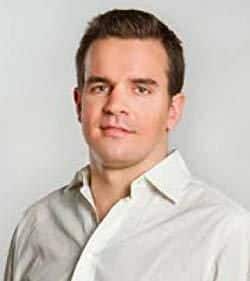
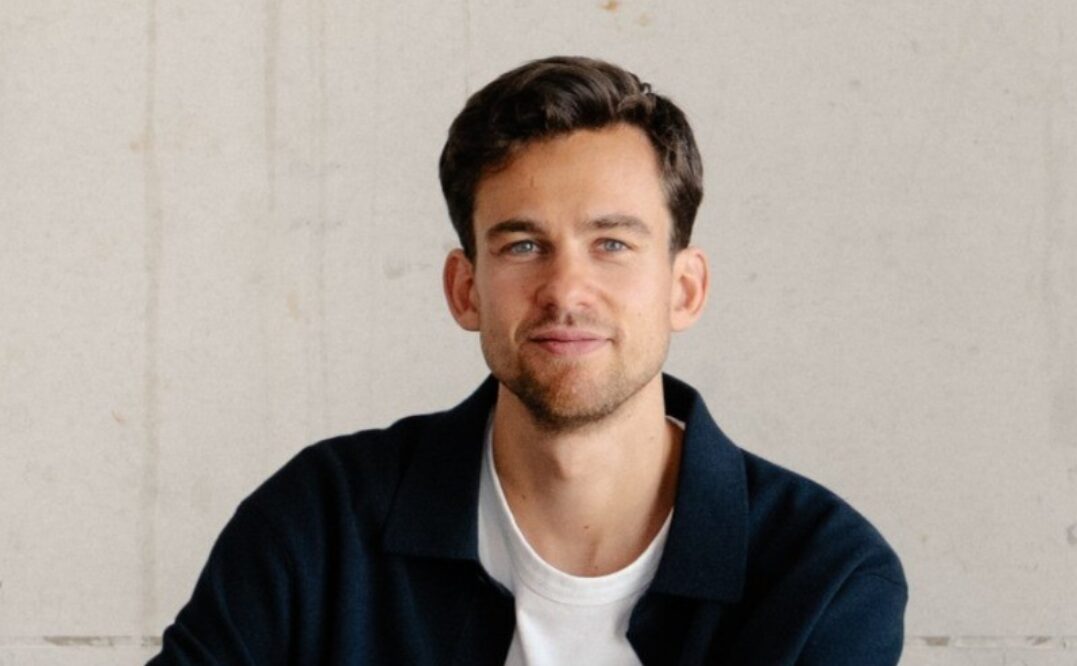
Constantin Schröder’s entrepreneurial journey started long before he launched his first company. The mindset—discipline, resilience, and the ability to learn from failure—developed through experiences that seemed unrelated at the time.
What began as a childhood dream of becoming a professional athlete eventually evolved into the creation of Arbio. The company has secured funding from top-tier investors, such as Atlantic, OpenOcean, Eurazeo, Atempo Growth, and Johannes Reck.
In this episode, you will learn:
- Constantin Schröder turned the discipline of competitive sports and repeated setbacks into the resilience needed to build Arbio.
- One of his biggest lessons was that talent alone is never enough because winning teams need the right environment, culture, and leadership.
- Realizing he lacked technical depth, Constantin moved from business into physics, math, and computer science to become a stronger builder.
- Arbio was born from a simple insight that short-term rentals were broken for both guests seeking reliability and hosts dealing with operational chaos.
- The company’s early traction came from doing unscalable work themselves, which gave the founders firsthand insight into a profitable but fragmented market.
- Arbio’s growth strategy combines technology, acquisitions, and leverage to modernize legacy property managers while protecting dilution.
- Constantin’s clearest founder lesson is that exceptional companies are built by hiring great talent, paying for it, and developing it with intention.
SUBSCRIBE ON:
 iTunes
 Google Play
 Stitcher
 TuneIn
 RSS
RSS SoundCloud
 Spotify
Keep in mind that storytelling is everything in fundraising. In this regard, for a winning pitch deck to help you, take a look at the template created by Peter Thiel, the Silicon Valley legend (see it here), which I recently covered. Thiel was the first angel investor in Facebook with a $500K check that turned into more than $1 billion in cash.
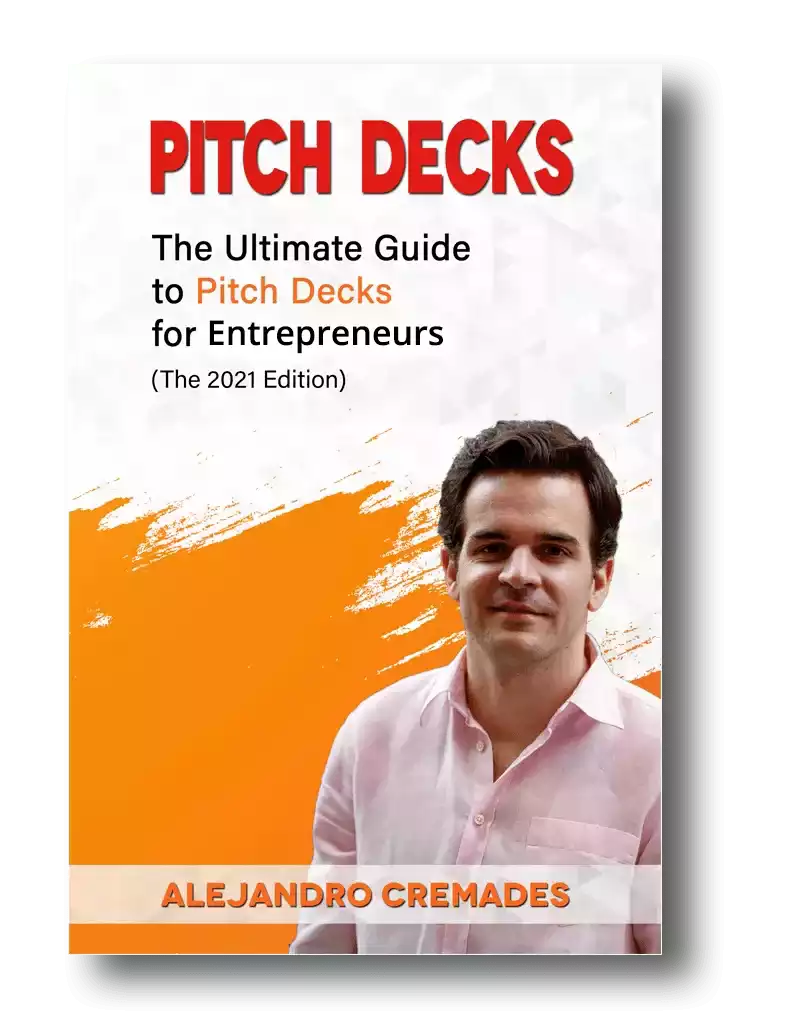
*FREE DOWNLOAD*
The Ultimate Guide To Pitch Decks
Remember to unlock for free the pitch deck template that founders worldwide are using to raise millions below.
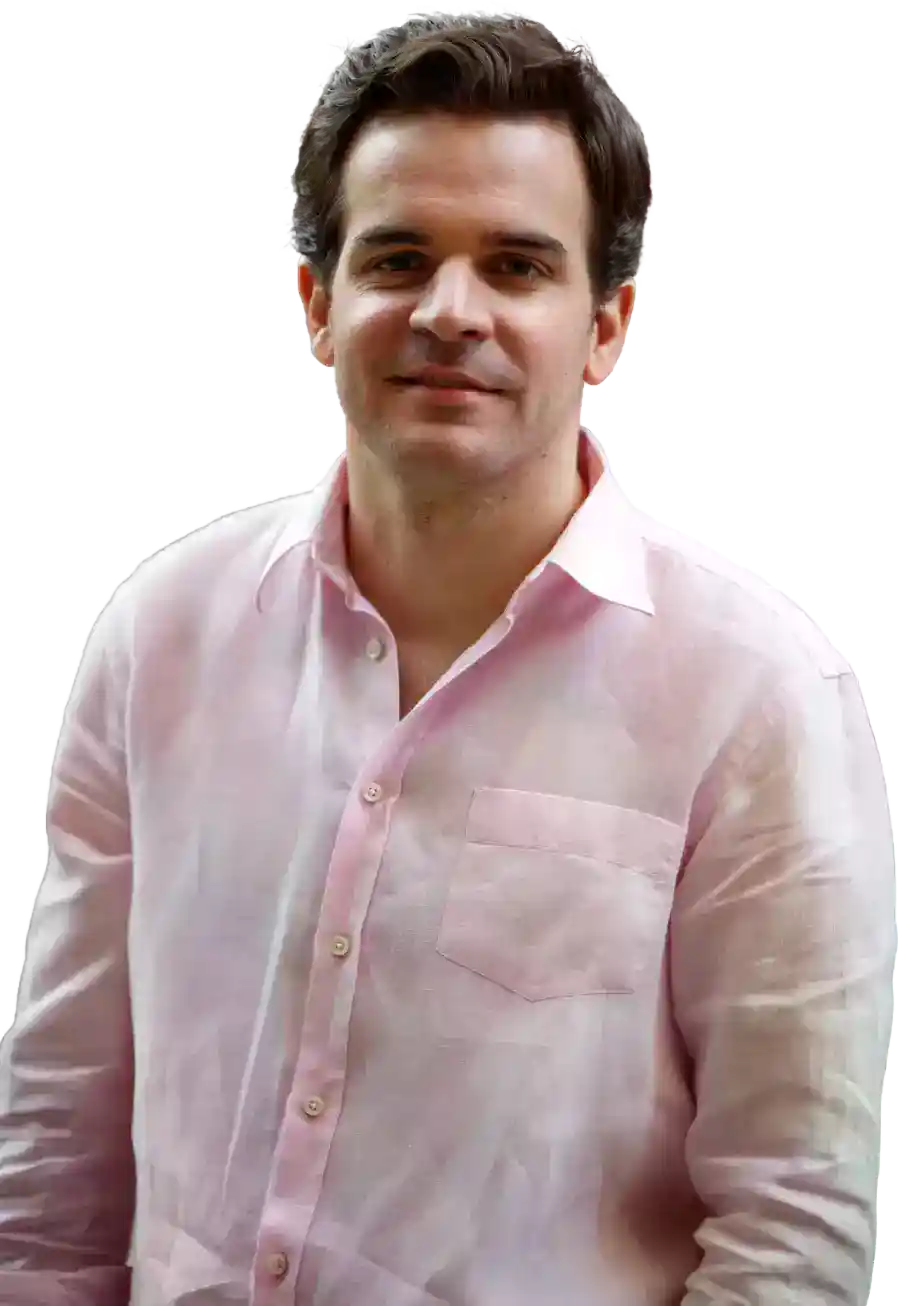
About Constantin Schröder:
Constantin Schröder is co-founder and co-CEO of Arbio. He leads Arbio’s product development, technology and M&A. Constantin is a passionate tennis player and sailor.
Raise Capital Smarter, Not Harder
- AI Investor Matching: Get instantly connected with the right investors
- Pitch & Financial Model Tools: Sharpen your story with battle-tested frameworks
- Proven Results: Founders are closing 3× faster using StartupFundraising.com
Connect with Constantin Schröder:
Read the Full Transcription of the Interview:
Alejandro Cremades: All righty. Hello, everyone, and welcome to the DealMaker Show. So today we have a fantastic, fantastic founder joining us. We’re going to be talking about all the good stuff like building and scaling.
Alejandro Cremades: Now, in this case, quite a competitive background. He was saying he was an athlete, and now he is really into the whole hypergrowth type of journey.
Alejandro Cremades: But again, brace yourself for a very inspiring podcast. We’re going to be talking about raising capital, thinking about deals, building a high-performance team, and all the above. So without further ado, let’s welcome our guest today, Konstantin Schroeder. Welcome to the show.
Constantin Schröder: Hi Alejandro and everyone. Thanks for having me here. Very, very honored to be talking today.
Alejandro Cremades: So originally born in Cologne, give us a walk through memory lane, because I know that your childhood involved a lot of field hockey.
Constantin Schröder: Yes, yes. So when I was young, I dreamt of becoming a professional field hockey player. It turns out that things change, and that’s probably not the sport where you can make a living. Not yet. I hope it changes in the future.
Constantin Schröder: But I had a couple of injuries and then had to do something else. My parents were more or less asking me all the time, “What’s next? What’s next?” So I just applied randomly to a business university and really fell in love with building companies early on there already. I always dreamed of building a company, though there were a couple of steps I took in between.
Constantin Schröder: So I did my undergrad in business, then moved to Berlin and actually started studying physics and maths here in Berlin. There were also some computer science components.
Constantin Schröder: And then basically, out of the second or third semester in that study program, I started building RBO. And here we are now four years later and still going strong on this one.
Alejandro Cremades: And we’ll talk about that in a few minutes here. Now, talking about the field hockey days and the injuries, obviously that was your dream.
Alejandro Cremades: What did you learn from that experience of falling down and getting back up?
Constantin Schröder: I remember there was a time where we lost a lot. We had, I would say, at least two or three years when I was young where we were really bad and we were losing, although we had a fantastically talented team.
Constantin Schröder: Only when I actually started playing in the more senior division, when I was around 18 or 19 years old, we started winning a lot. I upgraded to a more sophisticated team. We had a better coach and better training grounds, and that’s when we started winning and things became more professional.
Constantin Schröder: I think that period of constantly coming back home after losing matches really grounded me. It made me work quite hard back then. I spent my Saturdays and Sundays on the hockey pitch practicing.
Constantin Schröder: I also saw that it was a team problem, a team dynamic that had formed over time. Only when I started playing with more senior players who were also ambitious, driven, and high-performance athletes did we start winning and building momentum.
Constantin Schröder: I think today it showed me that you really need a super professional surrounding. It’s not only about the raw talent that you have. You need the right setting, the right mindset, and the right coach to drive the team and get the most out of everyone.
Constantin Schröder: That’s what I see myself as today. Basically, the coach on the ground, making sure that we hire the best talent, get the best people, and that I try to develop them in the right direction.
Constantin Schröder: And align them all to chase one single big dream. So I’ve moved from being the player to being more like the coach on the side.
Constantin Schröder: But it taught me a lot about losing and about how to deal with losing and making mistakes.
Alejandro Cremades: So then talking about shifts and changes, when it came down to your interests and studies, you started with business. Then from business you moved into data science and product development, and from there into math and physics.
Alejandro Cremades: What fueled or triggered those changes and interests for you?
Constantin Schröder: Yes, so I think my first undergrad program was a fantastic time to build long-term friendships. That’s where I met most of the people that I’m still close with today.
Constantin Schröder: The university I attended was a small but very renowned university in Germany, and it has produced a couple of very famous entrepreneurs, including the Rocket Internet founders and two really cool startups that are evolving today.
Constantin Schröder: That time there was really about building out the social network, getting access to entrepreneurs, and getting access to fantastic people.
Constantin Schröder: But I saw that I wasn’t able to actually build the things I wanted to build. I didn’t have the skill set to build the first small products or to do large data analyses.
Constantin Schröder: Back at university, I had a small group of friends and we were thinking about building companies like those in Silicon Valley.
Constantin Schröder: But we realized that we weren’t able to do that yet. So what we did first was connect entrepreneurs at our university with tech people by organizing hackathons.
Constantin Schröder: Back then, around 10 years ago, hackathons weren’t as common as they are today. We brought together business people and technical people from across Europe.
Constantin Schröder: The second thing we did was introduce two courses at the university to teach entrepreneurs how to develop products, do small data science tasks, and learn how to code.
Constantin Schröder: That resonated really well with the university. The courses were accredited and fully booked, and everyone enrolled in them.
Constantin Schröder: That was the moment when I realized I had to go deeper into the technical side to be able to guide teams one day, build the product myself, and truly understand the technology we wanted to use.
Constantin Schröder: It was driven by curiosity and a constant hunger to learn more and build beautiful products at the end of the day.
Alejandro Cremades: So meeting Paul again and reconnecting with him in Berlin was quite a big deal for you and quite pivotal.
Alejandro Cremades: Obviously you guys were having some good fun traveling around, and those travels really started planting the seed for what became Arvio. Walk us through the sequence of events that needed to happen for Arvio to come together as an idea and eventually come to life.
Constantin Schröder: Yes. For those who don’t know, Paul, who is my co-founder, and I have been friends since we were babies.
Constantin Schröder: My dad is his godfather and his mom is my godmother, so we basically grew up together.
Constantin Schröder: By coincidence, we followed similar paths. He also studied business in Switzerland and had built two companies—one during high school that he sold and another during university.
Constantin Schröder: He was in the process of selling that company when we reconnected in Berlin.
Constantin Schröder: It was interesting because for those who have founded a company, building your founding team is probably the biggest decision you take. It’s the most crucial decision about who you build the company with.
Constantin Schröder: For us, being close friends meant we were taking an immense risk by building a company together because of the friendship and the connection between our families.
Constantin Schröder: Still, the times when we sat together and brainstormed felt so natural and creative that we knew we wanted to build together.
Constantin Schröder: Paul and I are very different characters. I’m very outgoing. I love talking to people and I’m very energetic.
Constantin Schröder: Paul draws his energy from being alone in a room, thinking deeply, and coming up with great ideas. That contrast worked really well.
Constantin Schröder: It was clear we wanted to build together. The only question was what we were going to build.
Constantin Schröder: We had brainstorming sessions for at least a year and a half, exploring different ideas and models and always asking ourselves the same questions.
Constantin Schröder: Somehow we kept coming back to what originally brought us together—travel.
Constantin Schröder: Paul and I had traveled together through Mexico, Europe, and Latin America.
Constantin Schröder: During one of our trips in Mexico, we stayed exclusively in Airbnbs. That gave us the opportunity to look at the experience from both sides.
Constantin Schröder: We asked ourselves how it felt to be a host and how it felt to be a guest.
Constantin Schröder: We realized that something in that relationship was broken. Hosts had to put in a huge amount of effort to run the business, and guests often experienced unreliability when traveling.
Constantin Schröder: We felt this was a problem we loved and could put a lot of energy and passion into. At the same time, it was a problem worth exploring deeply.
Constantin Schröder: That’s what we did, and that’s how Arbio was born.
Alejandro Cremades: So before we go further, what ended up being RBO? How do you guys make money for the people listening so they understand the model?
Constantin Schröder: Yes, so RBO has evolved over time.
Constantin Schröder: In the beginning, we focused heavily on the guest side. We asked ourselves why we couldn’t create beautiful experiences for travelers while also giving them the reliability and quality of a hotel.
Constantin Schröder: We always believed Airbnbs offered more flexibility and freedom. So we wanted to build a beautiful, seamless, scalable operations layer underneath that.
Constantin Schröder: We started acquiring small portfolios of Airbnbs and short-term rental businesses and focused on how to create an experience that could scale across tens of thousands of units.
Constantin Schröder: Over time, we realized that hosts and homeowners also had huge challenges when renting out their apartments or holiday homes.
Constantin Schröder: Either they used multiple SaaS tools that they stitched together and had to manage themselves while monitoring their property remotely, or they hired property agencies that handled operations.
Constantin Schröder: Those agencies, however, were mostly built in the early 2000s and had very low technology adoption. They were slow and rigid compared to what modern technology allows today.
Constantin Schröder: We saw an opportunity to replace those agencies with an AI-native digital property manager that handles operations and processes for homeowners renting out their properties.
Constantin Schröder: That’s what we do today.
Constantin Schröder: We started in Germany, Austria, and the UK, and we are now expanding across Europe, especially into the sunnier regions where demand is high and the problem is even bigger.
Alejandro Cremades: So how did you know you were onto something?
Constantin Schröder: It took some time.
Constantin Schröder: At the beginning, we spent at least three months studying the market carefully.
Constantin Schröder: We discovered that the market was extremely fragmented. In Europe alone there were around 80,000 property managers. Globally there were around six million hosts.
Constantin Schröder: We saw many isolated pockets of property managers that were not well connected or integrated.
Constantin Schröder: At the same time, travel was booming after COVID, as people wanted to travel again.
Constantin Schröder: We also saw that many of these businesses were profitable.
Constantin Schröder: When we put those pieces together, we thought acquiring the first property managers would be easy.
Constantin Schröder: It wasn’t.
Constantin Schröder: It took us around six months to buy our first property manager because we had no brand, no website, and no funding.
Constantin Schröder: I remember around Christmas 2022 we sent hundreds of handwritten letters to hosts and property managers in Berlin.
Constantin Schröder: Three people responded, and one of them eventually agreed to sell their business.
Constantin Schröder: The only problem was that we had no money to buy it.
Constantin Schröder: So we went to family, friends, and anyone we could find to finance the purchase.
Constantin Schröder: A few days later we were standing inside those apartments doing guest communication, coordinating cleaning, setting up baby beds, and performing all the operational tasks hosts deal with every day.
Constantin Schröder: And we really learned a lot back in those days about how the business runs and what we could improve. But we also saw that the business was working well. The apartments were fully booked, revenues were coming in, and from day one we were already generating profits.
Constantin Schröder: And that’s when we realized that the ease of actually buying these businesses was quite high and that there was a lot of potential to improve how the business operates. That’s when we really started going out to investors, looking deeper into the market, and reaching out to many more property managers across Germany as well.
Constantin Schröder: This proof point from the first business we bought gave us a lot of confidence to go out and scale the whole thing.
Alejandro Cremades: So talking about deal making here, how much capital have you guys raised to date, and what has been the journey of raising that money?
Constantin Schröder: Yeah, so far we’ve raised around $50 million in equity and debt. The latest round was a Series A led by Eurozeo of $36 million.
Constantin Schröder: We also have a couple of really powerful angels guiding us throughout this journey. These include one of the early partners of KKR, the head of Europe at KKR, Philip Freise, members of the GetYourGuide founding team, and people from Airbnb and Booking.com. So I think we’ve put together a really cool consortium of people who guide us here.
Constantin Schröder: When we raised the first round, the whole case around roll-ups and venture money was quite difficult because there were several companies from the US and Europe that had acquired FBA sellers on Amazon and had, I would say, not done a fantastic job. Venture capital had been burned.
Constantin Schröder: So people in VC were asking themselves whether venture money should really be put into classical private equity-style approaches.
Constantin Schröder: Because of that, it was quite hard for us to raise the first round. But from day one, we focused on how the technology we were building would uplift margins and completely change how these businesses operated.
Constantin Schröder: That really helped us in the beginning to attract early capital and bring people on board.
Constantin Schröder: Essentially, we did a pre-seed round with a Berlin-based VC fund, then a seed round, and just recently last year we closed our Series A. Now we’re looking ahead to what comes next over the next couple of months.
Alejandro Cremades: In terms of equity versus debt, how do you think about that for a company like Arbeo?
Constantin Schröder: Historically, we have always tried to introduce leverage into the acquisitions of these companies. That’s because they are cash flow positive and they hold assets that lenders like to back.
Constantin Schröder: We believe leverage is a fantastic tool to save shareholders from dilution and to secure as much value as possible.
Constantin Schröder: From the first day onwards, we started working with venture debt funds, which we later refinanced into more structured loans over time.
Constantin Schröder: We think equity is a fantastic tool for building out the technology and the headquarters, while debt is a great tool to help us grow and acquire these companies.
Constantin Schröder: In the beginning, we were operating with even 90% leverage, very much a “young, wild, cowboy style” approach. Now we are closer to around 70% leverage on each acquisition we do.
Constantin Schröder: So we’ve matured over time, but we still believe it’s a good way to grow the business.
Alejandro Cremades: In terms of the deal-making side and doing those acquisitions, walk us through that. As they say, most acquisitions fail. How do you ensure you have the right assembly line, and why do acquisitions make sense for a company like Arvio?
Alejandro Cremades: Talk to us about the M&A activity that you guys have going on.
Constantin Schröder: Yeah, acquisitions themselves are an art. The whole process is an art, and we’re still not fully there yet.
Constantin Schröder: I think it starts with origination and sourcing. Finding good deals is hard, and the really good deals are not on the market. You won’t find them through brokers.
Constantin Schröder: You really have to dig deep and find those companies that are traditionally hesitant to sell.
Constantin Schröder: We’ve spent a lot of time building a huge database of companies across Europe, scraping the internet, scraping platforms, hosting events, and offering free valuations to companies.
Constantin Schröder: That’s where we believe we differentiate ourselves from traditional players who work heavily with brokers or only talk to companies already looking to sell.
Constantin Schröder: We try to convince those who are hesitant to sell their companies, because those often turn out to be the best deals.
Constantin Schröder: After sourcing comes deeper analysis. We’ve built a process that is both AI-driven and human-driven. We look at a lot of data, market trends, and regional dynamics.
Constantin Schröder: We conduct a very extensive due diligence process in-house with our team rather than outsourcing it.
Constantin Schröder: We examine the company from operational, financial, and product perspectives. Everyone internally must be aligned.
Constantin Schröder: If there is even one veto in the investment committee, we do not proceed with the deal.
Constantin Schröder: Once we have full alignment, we move quickly and acquire the company as fast as possible.
Constantin Schröder: Structurally, there are two ways we approach deals.
Constantin Schröder: One approach is full integration, where we take over the entire business and integrate it into our existing setup.
Constantin Schröder: This usually happens when the seller wants to exit completely or retire. It also makes sense in regions where we already have a strong footprint with existing teams and service providers.
Constantin Schröder: The second approach is partnerships. In these cases, we make majority investments and work closely with the seller while incentivizing them to continue growing the business over the long term.
Constantin Schröder: We remove the operational pain points through the technology we provide.
Constantin Schröder: In those deals, building strong relationships with the founders or CEOs is crucial. We spend time getting to know them personally—what drives them, their motivations, and how they built the business.
Constantin Schröder: These relationships allow us to partner with them and identify the key pain points where our technology can support them.
Constantin Schröder: This approach allows us to make very good deals and multiply our experience and resources with the local knowledge and expertise of operators on the ground.
Constantin Schröder: Those are some of the key components across sourcing, due diligence, structuring, and integration that we’ve learned over time.
Constantin Schröder: We’re now very excited about partnering with companies across Europe.
Constantin Schröder: Full integration can require a lot of effort and resources, while partnering with strong CEOs who are already doing a good job and giving them the technology and financial resources to grow is what excites us most about the future of RBO.
Alejandro Cremades: So talking about the future of RBO, let’s say you go to sleep tonight and wake up in a world where the vision of RBO is fully realized. What does that world look like?
Constantin Schröder: What has always excited me, even as a kid, is perfect clarity and seamlessness.
Constantin Schröder: When I look at the property management market for holiday homes today, it’s very messy.
Constantin Schröder: The operations require a lot of back and forth, a lot of pen and paper, and the industry is still extremely fragmented.
Constantin Schröder: Even the discovery process of finding a place to stay takes time.
Constantin Schröder: On a high level, I imagine a future where booking a holiday home anywhere in the world is extremely easy, and running a holiday home is also one of the easiest things you can do.
Constantin Schröder: Technology today, especially with AI and AGI becoming so powerful, is the perfect tool to make that vision possible.
Constantin Schröder: If we fast forward five years, we want to be a global technology partner for platforms that manage holiday rentals.
Constantin Schröder: We don’t necessarily want to become one global Arbio brand. Instead, we want to work with hundreds and thousands of local holiday home platforms and property managers and empower them to run their businesses extremely well.
Constantin Schröder: We also want to move closer to the distribution and booking process.
Constantin Schröder: Airbnb and Booking.com have been some of the most disruptive companies over the past 20 years.
Constantin Schröder: But we believe there is room for a new experience that challenges these companies and rebuilds how travel is booked.
Constantin Schröder: Travel should be based more on personal preferences and beautiful, individual experiences tailored to each traveler, rather than generic and inauthentic options.
Constantin Schröder: Another big focus for us is the owners of these homes.
Constantin Schröder: They deserve much more than just someone renting out their holiday home.
Constantin Schröder: They deserve services such as insurance for their properties and financing options if they want to grow their portfolios.
Constantin Schröder: Today, holiday homes are not fully recognized as an asset class, and we see a big blind spot there.
Constantin Schröder: That will be a major focus for us.
Constantin Schröder: I strongly believe we will become a global brand with hundreds of thousands of holiday homes running on our tech stack across the world.
Alejandro Cremades: Let’s say I put you into a time machine and bring you back to the moment when you and Paul were traveling and experiencing the problem firsthand.
Alejandro Cremades: If you could give yourself one piece of advice before launching RBO, what would that be, knowing what you know now?
Constantin Schröder: That’s a really good question.
Constantin Schröder: I think the biggest mistakes I’ve made have always been around the team.
Constantin Schröder: There are multiple mistakes there that I would not repeat if I were founding another company or traveling back in time.
Constantin Schröder: The first is being extremely selective and maintaining a very high bar for exceptional talent.
Constantin Schröder: If there is doubt during the hiring process, listen to that gut feeling and don’t hire that person.
Constantin Schröder: The second lesson is not only setting a high bar for talent but also being willing to reward it and pay for exceptional people.
Constantin Schröder: In the past, we often built budgets and tried to see whether a person fit into them.
Constantin Schröder: But sometimes you meet people who are far better than what you were originally looking for and who ask for higher compensation.
Constantin Schröder: In those cases, it’s important to go after them and make it work.
Constantin Schröder: The third lesson is about developing talent.
Constantin Schröder: Developing people is extremely difficult and takes time. You will never find a unicorn who has every skill you need.
Constantin Schröder: There will always be one blind spot, and that is where you, as a manager, must help develop the person.
Constantin Schröder: Those are mistakes I made as a first-time founder—around hiring the right people, parting ways with people who didn’t fit, and developing the A-players who are truly the stars of the company.
Alejandro Cremades: Amazing. Amazing.
Constantin Schröder: But I’ve made so many mistakes, I think.
Alejandro Cremades: Well, you’re never born knowing how to ride a bike. This is just part of the journey.
Alejandro Cremades: Konstantin, this was amazing and very profound. It’s been an honor to have you with us. Thank you so much for being on the DealMaker Show today.
Constantin Schröder: Thanks a lot, Alejandro, for having me.
*****
If you like the show, make sure that you hit that subscribe button. If you can leave a review as well, that would be fantastic. And if you got any value either from this episode or from the show itself, share it with a friend. Perhaps they will also appreciate it. Also, remember, if you need any help, whether it is with your fundraising efforts or with selling your business, you can reach me at al*******@**************rs.com
Podcast: Play in new window | Download
Subscribe: Apple Podcasts | Spotify | TuneIn | RSS | More
Facebook Comments