

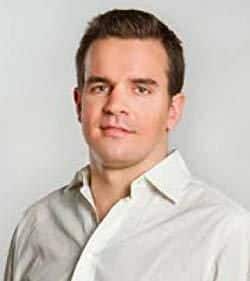
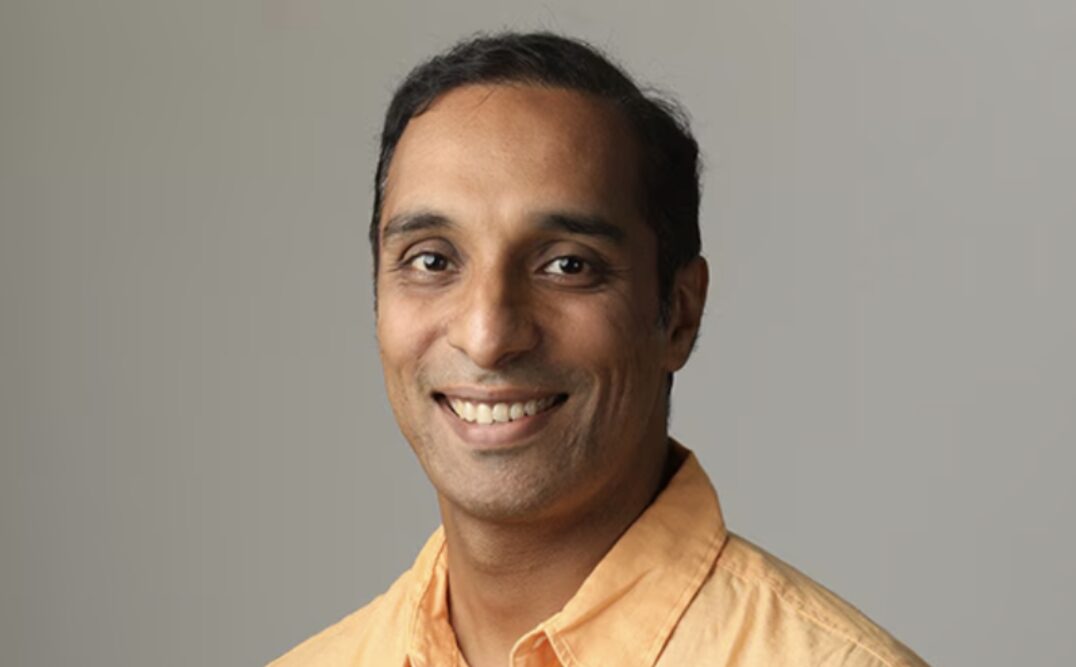
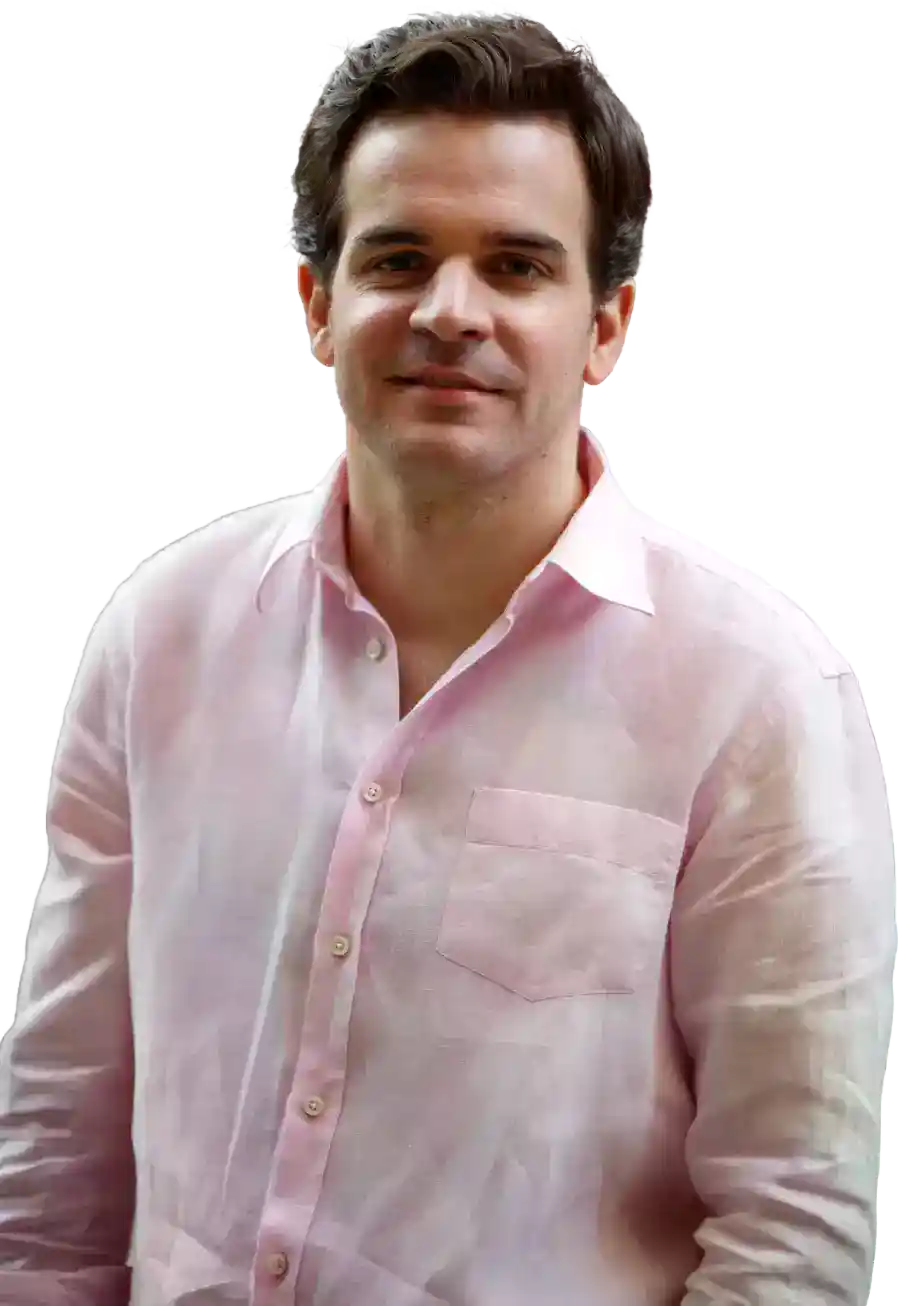
As the co-founder and CEO of Capillary Technologies, Aneesh Reddy has scaled the company from a $30K campus seed loan to serving two Fortune 10 companies, 19 Fortune 500 companies, and powering over a trillion dollars in commerce annually.
Capillary is now a global loyalty and customer engagement leader that has raised more than $100M in equity, over $200M in secondary, and successfully executed a $100M IPO that was oversubscribed 52x. Capillary also navigated the challenges posed by the global pandemic proficiently.
Capillary has raised funding from top-tier investors like Sequoia, Norwest, Warburg Pincus, Avataar, Filter, American Express, and Qualcomm.
In this episode, you will learn:
- Aneesh scaled Capillary from a $30K campus loan to a global enterprise platform powering over a trillion dollars in commerce.
- Capillary’s breakthrough came from solving real retail pain points with a frictionless mobile-based loyalty system.
- International expansion succeeded through a “low-risk pilot” playbook and customer-led entry into new markets.
- COVID forced Capillary to reinvent itself, shut non-core products, pivot to the West, and ultimately grow 5x.
- Aneesh institutionalized mental health through Vipassana and company-wide wellbeing programs, driving extraordinary team retention.
- His disciplined fundraising rhythm—meeting investors weekly—enabled $100M equity, $200M secondary, and a 52x oversubscribed IPO.
- Aneesh’s core philosophy: listen to customers, build for decades, and protect your mind because clarity compounds more than capital.
SUBSCRIBE ON:
 iTunes
 Google Play
 Stitcher
 TuneIn
 RSS
RSS SoundCloud
 Spotify
Keep in mind that storytelling is everything in fundraising. In this regard, for a winning pitch deck to help you, take a look at the template created by Peter Thiel, the Silicon Valley legend (see it here), which I recently covered. Thiel was the first angel investor in Facebook with a $500K check that turned into more than $1 billion in cash.
*FREE DOWNLOAD*
The Ultimate Guide To Pitch Decks
Remember to unlock for free the pitch deck template that founders worldwide are using to raise millions below.
About Aneesh Reddy:
Aneesh Reddy Boddu is the Founder, Managing Director & Vice Chairman of Capillary Technologies. He holds a bachelor’s degree in manufacturing science and engineering from the Indian Institute of Technology, Kharagpur.
At the Indian Institute of Technology, Kharagpur, Aneesh co-founded the ‘Entrepreneurship Cell’ and was awarded the ‘Distinguished Alumnus Award’ by the institute in 2017.
In 2014, Aneesh was recognized by Fortune India magazine as one of the ‘40 under 40 – India’s Brightest Young Business Minds’ followed by another recognition by The Economic Times under the ‘ET 40 under Forty’ list in 2017. He was previously associated with ITC Limited.
Raise Capital Smarter, Not Harder
- AI Investor Matching: Get instantly connected with the right investors
- Pitch & Financial Model Tools: Sharpen your story with battle-tested frameworks
- Proven Results: Founders are closing 3× faster using StartupFundraising.com
Connect with Aneesh Reddy:
Read the Full Transcription of the Interview:
Alejandro Cremades: Alrighty, hello everyone, and welcome to the DealMaker Show. So today we have an amazing, amazing founder, an amazing leader. You know, I think that what he has been able to accomplish is really remarkable with his company.
Alejandro Cremades: For so long, too. And also the team that he’s been able to build around him. I mean, think about this. Over 100 employees that have been with the company for over 10 years. I mean, that’s absolutely remarkable. On today’s show, we’re going to be covering all the good stuff that we like to hear: the building, the scaling, the financing, but then also taking the company public. We’re going to be talking about two secondaries, how they work, you know, why they make sense.
Alejandro Cremades: Why not? And then also COVID, how to think about pivoting your business, adjusting. I mean, they’ve been at it for a long time with the business, so the business has really matured and transformed itself several times. And I think that you are all going to find that super, super inspiring. So again, brace yourself for an amazing conversation ahead of us.
Alejandro Cremades: And without further ado, let’s welcome our guest today. Anish Reddy, welcome to the show.
Aneesh Reddy: Thanks, Alejandro, for having me today. Looking forward to the chat today.
Alejandro Cremades: So born in Hyderabad, and then grew up there in India. So give us a walk through memory lane. How was life growing up for you, Anish?
Aneesh Reddy: You know, Hyderabad is this IT city in the south of India. Both my parents are doctors. You know, lovely, fun upbringing.
Aneesh Reddy: You know, went to IIT for my undergrad. That was, you know, went to IIT Kharagpur. And that was a time when I thought I really grew as an individual, those four years in college and campus.
Aneesh Reddy: And then went and joined this Cigarettes to Hotels conglomerate, ITC. It’s a top five public company in India.
Alejandro Cremades: But before even that, Anish, why engineering out of all things?
Alejandro Cremades: I mean, I know that in India there is a lot of pressure on the cultural side of things to either become a doctor or become an engineer. In your case, it was mechanical engineering.
Alejandro Cremades: So did you have something going on there with problem solving that you got excited about early on when you were a kid? Or how did the whole problem-solving come knocking to you in your life?
Aneesh Reddy: Sorry, that was my eight-year-old daughter who doesn’t listen to anyone.
Alejandro Cremades: I know the feeling.
Alejandro Cremades: I actually have three of those. Well, I have one that is nine and two that are eight.
Aneesh Reddy: Very nice.
Alejandro Cremades: So I know the feeling.
Aneesh Reddy: Oh, very nice.
Alejandro Cremades: So identical twins.
Alejandro Cremades: Anyway, so let’s go back to the question that I asked, which was, how was it? You know, how did the whole thing of problem solving come to you? How did you really get excited about problems that eventually led you to pursue the engineering degree?
Aneesh Reddy: Right. Yeah, India, as you know, it’s more fashionable to be a doctor or engineer in India. And both my parents were doctors, and my dad sat me down in my ninth or 10th grade saying, look, you need a lot of patience to be a doctor.
Aneesh Reddy: And I was someone who needed a little bit more need for speed in some senses. And so he sat me down and said, probably you should explore engineering.
Aneesh Reddy: And I was pretty good at math. You know, I was pretty good at math and physics and some of that, so it kind of came naturally, right? And then I had a pretty good four years in campus as well.
Aneesh Reddy: You know, I used to run a robotics club. Then in 2005, I had set up the entrepreneurship cell on campus. So yeah, I think one thing led to another, and I realized that I loved solving problems.
Alejandro Cremades: That’s amazing. So after that, you got the degree and you went to work for a large publicly traded company in India, which I think played a really nice role for you because that was the most immediate step before you revisited your sense of purpose in life, which led you to entrepreneurship. So walk us through the sequence of events that happened there, leading to 2008, where you started to really rethink your life.
Aneesh Reddy: Right. Yeah, so 2006 is when I graduated from IIT. And like I said, you know, in 2005, we had set up this entrepreneurship cell, and the idea for that came from—we were running a robotics club, and we had to buy these motors and ICs and all that stuff to build stuff, right?
Aneesh Reddy: And procuring them was a headache. So we thought, why not build a company which had hobby kits type thing? I mean, we didn’t know how to do it. So that’s how we said, okay, let’s set up an entrepreneurship cell first.
Aneesh Reddy: And that meant that there was this bug of saying, let’s solve a problem. And so I joined ITC. Great job, amazing first pay. It’s a top five public company in the country.
Aneesh Reddy: Was doing very well there. You know, had moved two roles in a two-year period.
Aneesh Reddy: But there was this itch at the back saying, you know, like, what am I doing? Where do I fit in this big— which small cog am I in this big wheel?
Aneesh Reddy: And thankfully, you know, I didn’t need to send any money home, right? So my parents were taking care of themselves. So I was like, it’s a good time to do something and try something out, right? So this question of, am I adding real value? What’s the purpose of doing all this?
Aneesh Reddy: I think drove me to say, okay, let’s take a few years and start up and see where it goes.
Alejandro Cremades: So then what happened next?
Aneesh Reddy: So, you know, this was early 2008, two years into a job. And as you know, it’s not like I had much work experience.
Aneesh Reddy: So I kind of went—you know, me and Krishna, who used to stay with me on the same floor at IIT—both of us said, let’s go the investor way of picking two sectors that are doing very well and do something in between them.
Aneesh Reddy: So as those sectors grow, you will grow with it. So this was 2008. Retail was just beginning to happen in India.
Aneesh Reddy: The country had opened up for international brands like Walmart, Levi’s, etc. to come in. And at the same time, the mobile story in India has been crazy. It’s been unbelievable. So we said, let’s do something between retail and mobile.
Aneesh Reddy: We went back to IIT, took a small $30,000 seed loan.
Aneesh Reddy: IIT took 4% of the company for that and came back and started off with that. And we then spent the next—this was August of 2008, just a month before Lehman Brothers’ time.
Aneesh Reddy: Exactly a month before. And we would meet everyone in our networks who were in retail and mobile and ask them this question of, you know, we took it from IIT, we can build good software, tell us what your problems are.
Aneesh Reddy: And so it was very—so we said that we won’t write a line of code till someone is willing to pay us for it. So that was the bar we set for ourselves.
Aneesh Reddy: And to our luck, Lehman crashed September 11, 2008. The meltdown that happened afterwards. And as we would meet these customers in retail, we would keep hearing this thing saying, our same-store sales are down, customers aren’t coming back to stores. Pretty obvious, right? In a recession. And if you can solve that for us, we’ll buy what you’re selling even though it’s a recession. So we would then ask, who are your customers?
Aneesh Reddy: Do you have a—you know, this was back when you had to fill a long form to sign up for a loyalty program. You had to carry a card. And we were like, less than 5% of customers would sign up.
Aneesh Reddy: Because no one wants to go through that friction experience. We said, look, we’ll run this on the mobile. Everyone has a unique mobile number. We’ll use that as the unique identifier. And whenever you need to redeem points or redeem any currency, we’ll drop you an OTP like a bank.
Aneesh Reddy: Right. So a simple idea. Now, what that meant was suddenly instead of 5% of people filling a form, we would have 80% of customers signing up in a store for a program. You know, because you had suddenly removed the friction of two minutes to fill a form to just telling your name and mobile number at the cash till.
Aneesh Reddy: And the cashier would sign you up right there. So very simple: remove friction and you really see a bigger adoption curve. The other thing we did was, till then you would typically have customers being sold a big enterprise software.
Aneesh Reddy: We said, we’ll charge you like $50 per store per month. Really SaaS. Took some space on AWS.
Aneesh Reddy: This was 2008. AWS had just started up in India back then and solved that also. So we said, you can try for three months. If it works, then you roll it out across the estate.
Aneesh Reddy: So, we really went into the retail loyalty space. SaaS also very accidentally, because customers would tell us, look, we can’t buy this big license software. So that’s how we said, okay, we’ll host it on the cloud.
Aneesh Reddy: They said we can’t buy servers, so the cloud thing. We said we’ll charge you $50 a store. I mean, really, that culture has stayed in the firm—of saying, listen to what customers are telling you and keep iterating.
Aneesh Reddy: So that’s helped us many, many times over.
Alejandro Cremades: So for the people that are listening, what ended up being the business model of Capillary? Today, how did it transform? What is Capillary today? How do you guys make money? What’s the business model?
Aneesh Reddy: You know, we serve very large enterprises, Alejandro. So we work with two of the Fortune 10. We work with 19 of the Fortune 500.
Aneesh Reddy: So it’s a software-as-a-service platform with a lot of AI in it for running loyalty programs for big businesses. We today work with retailers, we work with healthcare companies, we work with
Aneesh Reddy: car rental companies, airlines, banks, telcos. Think of customer retention. Think of any kinds of subscription points, memberships, promotions, coupons—that kind of stuff for very large enterprises. We deliver it on the cloud. You know, we today have about a billion consumers on the platform for the various brands that we work with.
Aneesh Reddy: About a trillion dollars of commerce hits us annually. So a lot of scale. And we typically charge customers—it’s an annual recurring subscription, like SaaS is—linked to number of transactions or number of customers that are on the platform.
Aneesh Reddy: So yeah, that’s the business model.
Alejandro Cremades: There are obviously two things that have stood out for me on the execution that you guys have had that I think founders listening can really learn a lot from.
Alejandro Cremades: One is the way that you guys were able to think about pivoting to unlock other verticals for the business in order to serve more customers and different types of profiles of customers. And then two,
Alejandro Cremades: the way that you guys thought about also getting out of India and being able to go to other countries, whether it was initially going to Singapore, then coming to more developed markets like the U.S. So walk us through how you guys went about pivoting for other verticals and then also the playbook that you developed in order to launch in other markets as well, perhaps in a way where you’re also able to inspire founders that are also thinking through those two things.
Aneesh Reddy: Right. So like I said, we started in India with loyalty for retailers, right? This was 2008. And the first three, four years were pretty awesome for us because we really solved a very important problem for retailers.
Aneesh Reddy: So we grew very quickly. We grew to about 5,000 stores in the next two, three years. And the best of brands in the country working with us—Pizza Hut, Puma, a lot of the local large conglomerates and stuff like that.
Aneesh Reddy: And some of these customers then said, look, what you solve for us is very interesting in India. Can you do this for us in Singapore and the Middle East? So as you know, in large enterprise, referenceability and risk is a very big problem.
Aneesh Reddy: You might have the best software, but if the enterprise feels that you’re risky to work with, it takes way too long for them to sign. And the way we had solved referenceability in a new country was by basically riding on some of our existing customers taking us there.
Aneesh Reddy: Right. So, and so Puma and Pizza Hut took us out from India to, you know, Southeast Asia and and Middle East. And and where that worked very well was, again, our pitch was very simple. The idea was a small, affordable loss, which can give you a big gain.
Aneesh Reddy: Right. So we would go to Puma in Singapore and say, oh, very good, you know, why did you try us out for three months?
Aneesh Reddy: Fifty dollars a store, you know, and if you did this, you know, you would typically see a four five percent growth in sales for the store. Right, at the end of three months. So $50 is not going to break the bank for anyone.
Aneesh Reddy: Ah but it’s a, you know, but four or 5% growth in sales is is a big pot of gold, you know, for a very low affordable loss, right.
Aneesh Reddy: So really playing on that, Mechanico is saying, the risk is very low, right. So, and it’s a three month pilot, but the the the thing at the end of it is a pretty good good outcome, right.
Aneesh Reddy: So, and that made us sign up, you know, some of these folks and
Aneesh Reddy: Once you had a couple of good brands in a new market, then you’re perceived less risky by the rest of the market. Right, ah and that kind of played extremely well for us.
Aneesh Reddy: So we did that in Southeast Asia, we did that in Middle East. Um and you know ah the next seven, eight years, we just grew to about 30 million in revenues between you know India, Middle East and and Southeast Asia.
Aneesh Reddy: We also went a little down market. We said, look, we’ll also do SMB. You know, we also launched a bunch of other other products around that point in time.
Aneesh Reddy: You know ah then COVID hit. You know, so COVID hit early 2020. We had just turned profitable at that point in time. It was really the first time in in in life that we had not raised money.
Aneesh Reddy: Because we turned profitable, so we were like, look, the cash flows should take care of each other. But you can never predict a COVID, right? And remember, we were retail tech, right?
Aneesh Reddy: Ah stores were shut, massive lockdowns all across Asia. Ah unlike the US and Europe where governments could support businesses, Asia couldn’t.
Aneesh Reddy: That because governments couldn’t really like dole businesses out with all of that. And what that meant was we really had to pivot around that time.
Aneesh Reddy: Right. So we had to pivot from saying it’s an issue of business to opening in US and Europe up. We had to pivot from saying only retail to opening out newer verticals, right? Ah healthcare, banking, telco, all of the other verticals that we did.
Aneesh Reddy: We to take some very hard calls. We shut down our SMB mid-market focused business, just focused on large enterprise.
Aneesh Reddy: We shut down a lot of our products. We just kept the loyalty product and shut everything off. So we we we really you know went i mean really cut like 65% of cost, focused on just that one thing we were really good at. Everything else got shut.
Aneesh Reddy: And then started pivoting into the West, pivoting into newer verticals, right? So that was a pretty interesting time and in 2020, 2021. And today, if you look at it, the retail is only a fourth of our business.
Aneesh Reddy: Asia is only a fourth of our business. Ah mid-market SMB is less than 3% of our revenues. So the the big pivots that we took around COVID really grew the business back, right?
Aneesh Reddy: So we are, you know, we’ve we’ve grown roughly from the depth of COVID, we’ve roughly grown about five times since then.
Alejandro Cremades: You know it’s say we’re talking about COVID too. I mean, COVID whatha it was a difficult period, you know, for you, not only on the business side, but then also on the personal side. And as they say, typical, ah you know, and on those moments that are a little bit more tougher is where there is the most amount of lessons to be learned and the most amount of transformation to be experienced, right? As they say to entrepreneurship, unfortunately, it involves depression. I don’t think that a lot of people talk about it, but they look as an entrepreneur myself too.
Alejandro Cremades: I understand, you know, what it looks like, you know, to to wake up in the middle of the night, you know, with a cold sweats, you know, because of whatever issues that you’re dealing with, right? Whether, you know, the business or or the what ifs or cash, you know, being tight, whatever that could be.
Alejandro Cremades: Ah in your guise’s end, obviously, COVID ah for you was the first down cycle that you were able to experience. But this was an amazing opportunity for you to embrace the importance of mental health, which I think is a is so critical and and and and unbelievable that you were able to really unlock that. So so walk us through how was that for you?
Alejandro Cremades: Why mental health all of a sudden, you know, became not only a priority, but then also something that you would highlight and that you would embrace across your organizations.
Aneesh Reddy: Right. So Alejandro, arts has been a relatively long journey, right?
Aneesh Reddy: We’ve we’ve had 17 years of, of getting you know, and it it’s also been a good journey in the sense that, you know, we’ve got all the way to going public and we’ve raised like, you know, hundreds of million dollars millions of dollars over the years.
Aneesh Reddy: But what is 17 years, you know, you typically will have a couple of cycles at least, right? You will have times when things will go down, things are not working as you thought they would. And so I think around 2017, 18 was when, you know, ah you know, for the first time I started feeling that look, um a you know, your mind is very crowded, right?
Aneesh Reddy: I mean, when you’ve done something for 10, 12 years, you’ve definitely taken a lot of wrong decisions, you know, which you’re, you know, having to correct.
Aneesh Reddy: You know, you’ll have the odd times when, you know, some big customer churned out. You’ll have the odd times when a very key employee said, look, I’m i’m moving on.
Aneesh Reddy: You’ll have enough times when you’re very close to running out of money, you know, and, uh, as a, and your mind starts playing these funny tricks with you on, you know, there’s this constant voice in your head, which is constantly criticizing what you’ve done, right?
Aneesh Reddy: That this could have been done better. That could have been been done better. Uh, and I thought around 2018, 19, I got to a place where mind was just so overcrowded with all the stuff that went wrong.
Aneesh Reddy: Ah that, you know, i like it was just becoming, you know, as ah as a founder, I think that your mind is either your best friend, your best asset, or it’s your best enemy, right?
Aneesh Reddy: It could just like drive you crazy.
Aneesh Reddy: And around that time is when, you know, um
Aneesh Reddy: A friend suggested I go do this vipassana thing. You know, vipassana is like ah it’s like a 10-day silent retreat. It’s free. You know, and all all you do is, you know, you every time your mind runs away, you bring it back to your breath. Right? So you’re really controlling your mind to come back to, like, not run away and not get into this criticized or constantly painful mode. Right?
Aneesh Reddy: And… you know i spent 10 days doing that uh and you know at the end of the 10 days i came back with feeling 15 years younger it felt like i was out college again right like it just felt like the whole world was an opportunity and because suddenly you had these all these negative voices in your head that were constantly criticizing or were worried about money running out or about that customer leaving you know all those voices were gone
Aneesh Reddy: 85-90% of them were kind of cleaned up. They told and that was the first time I realized that, look, like taking care of your mind is just so um it’s just so important for a founder, because you just live with so much ambiguity, you live with so much chaos.
Aneesh Reddy: There’s just so much outside your control, sphere of control as a founder. And and you know, you’re constantly in anxiety, you’re constantly in fear, you’re constantly in greed, right?
Aneesh Reddy: I mean, that’s how most familiar lives are, right? So, and that can eventually get the worst of you.
Aneesh Reddy: It can really push you down to be very negative. And this Vipassana thing really like unlocked that thing for me, right? That I was suddenly like, look, I can, I’m not the voices in my mind.
Aneesh Reddy: You know, I can like keep them away. Right. So, ah and that started a very beautiful journey. I did my first in Pasana early, early 2020, just before COVID in fact.
Aneesh Reddy: And that just meant that there was a lot more clarity, a lot more intuition in, you know, and now I make sure I do at least 10 days every year.
Aneesh Reddy: Like ah because once your mind starts filling up, you know, you’re like, needs to clean up. Right. So it’s like, it’s like, you know, you go for a detox, you know, if you want to lose weight or you put on a bunch of pounds, but you don’t do anything for your mind really.
Aneesh Reddy: Right. So there’s this 10 days are like that for me. Every time I come back, I’m like, I feel like, you know, a lot more energy, a lot better. And what we also did was we did the same thing in the in the company.
Aneesh Reddy: We started a program called Life Beyond Numbers.
Aneesh Reddy: Anyone in the company can go for a 10-day retreat.
Aneesh Reddy: We also have these two days inner peace retreats in the business now where, you know, people can go try meditation, try sports out, try various kinds of things out. Um and that’s eventually helped us because today, you know, we’ve like you said, we have 100 plus people who’ve spent more than 10 years with us.
Aneesh Reddy: In a team of 700, that’s like one in every six or in every seven, right? Who’ve spent more than 10 years on the firm. And, you know, the company’s of course done well. People have made money.
Aneesh Reddy: The ESOPS have unlocked all that stuff. But beyond money, I think people have really grown, led very happy lives in in the company as well.
Alejandro Cremades: That’s amazing. You know, one one thing, too, that is mind blowing is that we talk to ourselves as humans at least 50,000 times a day, which is insane.
Alejandro Cremades: So one thing that that at least I’ve i’ve found and and especially going through those rough patches and for the people that are listening is instead of statements,
Alejandro Cremades: When you’re going through a rough patch and like you were saying, you’re talking negative to yourself. Instead of statements, changing them for questions really makes a difference. Like instead of, hey, you’re you were terrible. You didn’t make it to where you were ah hoping to be. You know what about changing that for what can I do to get to where I want to be? What action can I take right right now? And that makes a true difference. But Anish, I i really appreciate you for for sharing this because there’s a lot of people that they that are really going to benefit a lot from this. Now, one thing too here is the um financing um you know cycles that you guys have gone through. Obviously, $100 million in equity, $200 million in secondary. Then the IPO, which was $100 million with a bunch of that also secondary.
Alejandro Cremades: Walk us through how the financings um you know happen and and then also that day equity versus secondary because secondaries now they’re becoming more popular and more out there.
Alejandro Cremades: But I’m sure that there’s a lot of people that are not as informed or as educated. You know, and i think it would be great, you know, to hear from you when it makes sense to take secondary versus not.
Aneesh Reddy: You know, Alejandro, we’ve raised money from some of the best funds globally, right? Sequoia, Norwest, Warburg Pincus, Avatar, Filter, a bunch of Amex, Qualcomm, right over the years.
Aneesh Reddy: So it’s been ah it’s been a fairly ah liquid stock.
Aneesh Reddy: And the good thing is also being that other than the IPO, we’ve never used bankers for any fund raise. So it’s been mostly done uh, done internally. And the one rule we would have was we would meet an investor or two, uh, every, every week or two.
Aneesh Reddy: Right. So if someone mailed you, we always made sure that, you know, i mean, don’t keep meeting investors all the time. But you know, spending an hour a week on something like that made a lot of sense.
Aneesh Reddy: Because what we also realized was that investors are pretty smart people. Like the questions they ask also make you ponder whether you’re building the business the right way, are you missing something, some of that.
Aneesh Reddy: And so we would constantly meet investors. If I got an email, we would say, okay, fine, we’ll meet you next week and do a call. One hour in a week is very okay. And where that would help us was next time we really wanted to raise funds.
Aneesh Reddy: And you know we would keep in touch with these guys once every six months.
Aneesh Reddy: You’re in that city or they’re over in your city. You know, just a quick update saying, look, hey here’s where we are now, right? From where we were six months ago. And whenever we wanted to raise funds, we would have this thing that we would go to the five people who we liked and showed the most amount of you know conversations, did a little bit of work themselves,
Aneesh Reddy: You know, when we were not in a fundraise mode, right? So now what that eventually meant was didn’t need to like have a banker, and our fundraises would be fairly quick, right? Every time we wanted to fundraise, we would really close round in the next two, three months, right? So, ah and usually because we ended up reaching out to five, six people from the cohort that was speaking to us over the last, you know, year, two years, whatever.
Aneesh Reddy: You typically have, like even our Series A was Sequoia and Norvus coming together. So what that meant was they wanted more allocation, which then would create space for you to have a secondary.
Aneesh Reddy: Now I think that worked very well for us because, you know, if you’re a founder who’s never taken secondaries out in the business, the first time you have an opportunity to sell, you will sell, you will not play for the long game. Right, ah in our case, within four years of the business, we already had made our first million each in in in some senses. And so we really had staying power. Right, so we could really pay play for the fences. We could really wait it out. Could go through cycles.
Aneesh Reddy: And that was also for the team. Right, the team also could sell their e-sops and all that. And I’m I’m a big believer that, you know, you have to keep your capital fresh because all of these funds have like a six, seven year life cycle.
Aneesh Reddy: And if you’re not going to be able to get them an exit when they want it, it really drags down because access to fresh capital comes down.
Aneesh Reddy: Ah you know and you know, like like you got a new fund, let’s say the business goes into a slightly bad year, right?
Aneesh Reddy: Now, this fund that’s recently come in always has more to deploy.
Aneesh Reddy: While someone who came in three, four years ago, you know, is at the end of the cycle with you. Right, now they’re going talk about, okay, it’s four years in, you know, I have three more years to go.
Aneesh Reddy: Right. So I’m not going to double down, I’m actually going to say, okay, can I get start getting some money back? Right. So as a founder, I think it’s always good to be one step ahead on on creating projects.
Aneesh Reddy: Opportunities for secondaries, for existing investors, for employees, for even for yourselves. So yeah. Ah yeah.
Alejandro Cremades: How was it like to also take the company public? Because it was oversubscribed 52 times. I mean, that sounds pretty wild. So so how was that?
Aneesh Reddy: You know, I think I think life has been very kind, Alejandro, through the years. And, you know, we ah we decided to list, you know, once we were closer to double digit, you know, 10% plus on EBITDAs, you know, and that happened last financial year. We crossed over 10% plus on EBITDA margins.
Aneesh Reddy: And the belief was that, look, I think just where the markets are and where the economy is globally, that markets would appreciate the a double-digit EBITDA, profitable companies still growing at, you know, more than 30%, 35%, 40%.
Aneesh Reddy: And and that that was kind of the profile we were at. And and for us also, you know, because we work with very large enterprises, being a public company makes you less risky.
Aneesh Reddy: Because your numbers are public, you know, the risk of saying, you know, why do I work with this small startup goes away.
Aneesh Reddy: Right. So that those were the big drivers for us to go out and and list. And there was as a is’s also point in time where I felt that, look, they we’ve done 200 million of secondaries over the years and I can’t keep doing this.
Aneesh Reddy: Right. If you’re public, then investors get their own exits and they can sell when they want to, they can do what they want to. So it was just ah some of those pieces. And the fact that we had timed it well, that we were still growing very well, we were a double digit avatar, the business was throwing a lot of cash, just ensured that, you know, although the the sentiment on SaaS has been slightly negative in the last, you know, I’d say, six months, there’s lot of AI in our product, but, you know, you still started as a SaaS company, that was the AI thing that is there, right?
Aneesh Reddy: So we still had, like, people could see that you’re working with the best of businesses, you’re throwing a ton of cash out, you’re at growing in spite of like delivering double-digit EBITDAs.
Aneesh Reddy: I think that led to, you know, six of the top eight funds in the country subscribing to the IPO. That led to the massive oversubscription.
Aneesh Reddy: The stock has also done well. It’s been about 20% up since we listed. Right. So overall, it’s been ah and it’s been a great outcome for everyone.
Alejandro Cremades: That’s amazing. Now, imagine you go to sleep tonight. An che and you wake up in a world where the vision of the company is fully realized. What does that world look like?
Aneesh Reddy: Uh that’s a that’s a great question actually Alandro. Haven’t thought through it um but let me take a um, you know, I think I think uh um uh you know uh I I do think, uh you know, we spend very little um time taking care of ourselves as people, right, especially mental health side, uh you know, and I’ve I’ve seen that cycle very, very closely.
Aneesh Reddy: So for me, it would be a ah happy world, right?
Aneesh Reddy: A happy world where people are not anxious, people are not greedy, they’re satisfied. I think if you if you ask me, you know,
Aneesh Reddy: What is the ultimate world for me, it is a world where people, um where all of us, a the Buddhist type of a world, you know, the Buddha’s world, which was a ah really, um you know, a middle path of being satisfied and not not being on on both the, ah on the greed side or the fear side, right?
Alejandro Cremades: I love that. So Anish, obviously now over 17 years, you know, pushing this. I mean, unbelievable. I mean, that in, if if you compare startups and corporations, that that we’re talking about, my God, at least 250, 300 years, you know, in comparison, right? Because of the everything that you have experienced. Now, imagine I put you into a time machine with every lesson that you’ve acquired along the way during these 17 years.
Alejandro Cremades: And I’m able to bring you back to 2008, to that moment where you were coming out, let’s say, of the HQ of ITC, you know, where you were there, the assistant manager.
Alejandro Cremades: And let’s say you’ve given your notice, you’re coming out of the building for the first time as someone that was about to be self-employed. And you’re able to stop that younger niche and give that younger niche one piece of advice before launching a business. What would that be and why, given what you know now?
Aneesh Reddy: You know, one piece of advice. Um ah I would do two, can I do two?
Alejandro Cremades: Let’s do it.
Aneesh Reddy: You know, so yeah, one and a bonus one, right?
Alejandro Cremades: One and a bonus one.
Aneesh Reddy: So the first one would be um keep listening to customers. Right. So, you know, every time I’ve gone out and said, let’s build this product, and that’s come from my figment of imagination, we haven’t done as well as we have done when we’ve constantly listened to, you know, solving a real customer problem, right?
Aneesh Reddy: Not a fad, not blockchain, not AI, but pick the problem, find the tech and solve it. In our case, it was loyalty was the problem, SaaS and cloud was the solution.
Aneesh Reddy: You know so that was the thing that worked well.
Aneesh Reddy: Right. We had a problem, we had a new tech piece. You know, so we wrote the SaaS wave solving a real problem. Hey so I definitely, and you know I angel invest a fair bit and I see founders just keep building, keep building without talking to customers and going nowhere.
Aneesh Reddy: So I think that’s the first, first ah thing. The second one is, look, if you really want to build something meaningful, something that lasts, it’s going to take a while.
Aneesh Reddy: Like it’s going to take 10, 20, I believe we just hit started as a public company. So we have another, at least another 10, 12 years to go. So it’ll be a 30 year journey to building something that hopefully survives me.
Aneesh Reddy: Hey so and and so it is ah it is a marathon. Like it is not it’s probably an ultra marathon or I’m an, not even a marathon, right? So so what that means is take care of yourselves, you know, take care of your family. In these need not come at the expense. A lot of times founders think that, look, success comes at the expense of all of this, right? Ah at least in my head, having lived that for the first 10 years of my life or 10 years of Capillary and then switching over to the other side, I do believe that, ah you know, spending time on your own mental health.
Aneesh Reddy: Making sure you have outlets beyond your business, right? Which is you have a good family, you have good friend circle.
Aneesh Reddy: I think really adds back to the success of the business, right? Adds back to, ah you know, you being less anxious or less fearful or less greedy.
Aneesh Reddy: And hence means that you take better decisions as ah as a founder, right? So those two. So one and a bonus.
Alejandro Cremades: And that’s so profound, Anish. Thank you for sharing. For the people that are listening that would love to reach out and say hi, you know, learn more about Capillary, what is the best way for them to do so?
Aneesh Reddy: I’m on anish at capillarytech.com. Drop me an email. You know, happy to set up some time.
Alejandro Cremades: Amazing. Well, Anish, thank you so much for being on the Dealmaker Show today. It has been an absolute honor to have you with us.
Aneesh Reddy: Thanks, Alandro. I love the conversation. Thank you.
*****
If you like the show, make sure that you hit that subscribe button. If you can leave a review as well, that would be fantastic. And if you got any value either from this episode or from the show itself, share it with a friend. Perhaps they will also appreciate it. Also, remember, if you need any help, whether it is with your fundraising efforts or with selling your business, you can reach me at al*******@**************rs.com
Podcast: Play in new window | Download
Subscribe: Apple Podcasts | Spotify | TuneIn | RSS | More
Facebook Comments